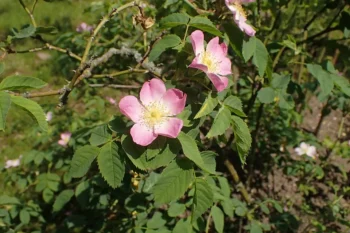
Rosa dumalis: The Mystery Rose That’s Puzzling Plant Enthusiasts
Have you ever stumbled across a plant name that seems to exist in botanical limbo? Meet Rosa dumalis, a rose species that’s more enigma than garden staple. If you’re scratching your head wondering why you’ve never heard of this particular rose, you’re not alone – and there’s a good reason for that!
What We Know (And Don’t Know) About Rosa dumalis
Rosa dumalis is what botanists call a bit of a mystery. Unlike popular garden roses with charming common names and detailed growing guides, this species exists primarily in the realm of scientific literature. It’s also known by the synonym Rosa vosagiaca N.H.F. Desp., but even that doesn’t help much when it comes to finding it at your local nursery.
The lack of a widely accepted common name tells us something important: this isn’t a rose that’s made its way into mainstream gardening culture. When a plant doesn’t have a common name that gardeners use regularly, it usually means it’s either extremely rare, difficult to cultivate, or simply hasn’t caught the attention of the horticultural world.
The Challenge for Home Gardeners
Here’s where things get tricky for garden enthusiasts. Rosa dumalis appears to be one of those botanical curiosities that exist more in herbarium collections than in backyard gardens. We don’t have reliable information about:
- Its native range or current distribution
- Preferred growing conditions
- Hardiness zones
- Mature size or growth habits
- Flower characteristics or blooming period
- Wildlife or pollinator benefits
What This Means for Your Garden
If you’re dreaming of adding Rosa dumalis to your landscape, you might want to pump the brakes. The absence of cultivation information and commercial availability suggests this species either:
- May be extremely rare or possibly extinct in cultivation
- Could have challenging growing requirements
- Might not offer significant ornamental value
- May exist primarily as a taxonomic designation rather than a distinct, cultivated species
Better Alternatives for Rose Lovers
Instead of chasing this botanical ghost, consider exploring well-documented native rose species in your area. Many regions have beautiful native roses that offer:
- Proven garden performance
- Clear growing requirements
- Established wildlife benefits
- Available plants from reputable sources
Check with your local native plant society or extension office to discover which native rose species thrive in your specific region.
The Lesson in Plant Mysteries
Rosa dumalis serves as a fascinating reminder that the plant kingdom still holds secrets. Not every species with a botanical name has made the jump from scientific specimen to garden plant. Sometimes, the most interesting plants are the ones we can’t easily grow – they keep us curious and remind us that there’s always more to discover in the world of botany.
While we can’t offer you a guide to growing Rosa dumalis, we can encourage you to explore the many documented and available rose species that will bring beauty, fragrance, and wildlife value to your garden. After all, sometimes the best garden adventures come from the plants we can actually grow!