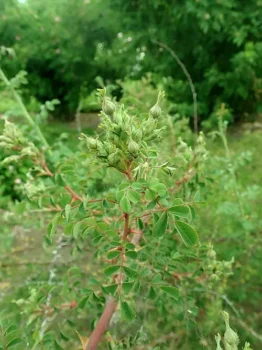
Rosa forrestiana: The Mystery Rose That May Not Exist
If you’ve stumbled across the name Rosa forrestiana in your gardening research, you’re probably scratching your head trying to find more information about this elusive rose. Well, you’re not alone – and there’s a good reason why details are so scarce.
The Challenge with Rosa forrestiana
Here’s the thing about Rosa forrestiana: despite its official-sounding Latin name, this plant doesn’t appear in major botanical databases or authoritative plant references. This could mean a few things:
- It might be an extremely rare or regional name that hasn’t been widely documented
- It could be a misidentification or confusion with another rose species
- It may be an informal or colloquial name that isn’t scientifically recognized
What This Means for Gardeners
If you’re looking to add Rosa forrestiana to your garden, we’d recommend taking a step back and doing a bit more detective work. Here are some practical next steps:
- Double-check your source – where did you first encounter this name?
- Look for photos or additional descriptions that might help identify what plant you’re actually seeking
- Consider whether this might be a variety or cultivar of a more common rose species
Better Alternatives: Proven Native Roses
Rather than chasing after a mystery rose, why not consider some well-documented native rose species that will definitely thrive in your garden? Native roses offer beautiful flowers, attract pollinators, and support local wildlife while being perfectly adapted to your regional growing conditions.
Some excellent native rose options include species like Rosa carolina (Carolina Rose), Rosa virginiana (Virginia Rose), or Rosa woodsii (Woods’ Rose), depending on your location. These established species come with plenty of growing information, reliable sources for plants, and proven track records in gardens.
The Importance of Reliable Plant Information
This situation with Rosa forrestiana highlights why it’s crucial to use authoritative sources when researching plants. Stick to reputable botanical databases, university extensions, and established nurseries when planning your garden. This ensures you’re working with accurate information and can actually obtain the plants you’re hoping to grow.
If you have specific information about Rosa forrestiana from a reliable source, we’d love to hear about it! Gardening is always a learning experience, and sometimes the most interesting discoveries come from following up on these botanical mysteries.