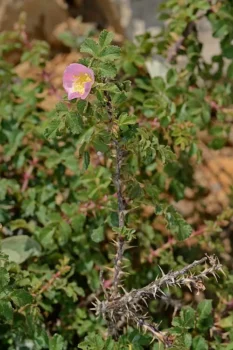
Rosa pulverulenta: The Mystery Rose That’s Better Left as a Mystery
If you’ve stumbled across the name Rosa pulverulenta in your plant research, you might be wondering if this rose could be the perfect addition to your native garden. Well, here’s the thing about this particular rose – it’s quite the botanical enigma, and that’s not necessarily a good thing for home gardeners.
What We Know (Spoiler Alert: It’s Not Much)
Rosa pulverulenta, also known by its synonym Rosa glutinosa, is one of those plants that seems to exist more in botanical records than in actual gardens. The lack of readily available information about this species tells us something important: it’s either extremely rare, difficult to cultivate, or possibly no longer commonly recognized in modern horticulture.
The Geographic Mystery
The native range and geographic distribution of Rosa pulverulenta remain unclear from standard botanical sources. This uncertainty makes it nearly impossible to determine whether this rose would be appropriate for your local ecosystem or climate conditions.
Why This Rose Isn’t Garden-Ready
Here’s where things get tricky for the average gardener. Without clear information about this plant’s:
- Native status and geographic range
- Growing requirements and hardiness zones
- Mature size and growth habits
- Pollinator and wildlife benefits
- Invasive potential
It’s virtually impossible to grow Rosa pulverulenta successfully or responsibly. Gardening with unknown species can lead to disappointment, wasted resources, or unintended ecological consequences.
Better Rose Alternatives for Your Garden
Instead of chasing this botanical ghost, consider these well-documented native rose options that will actually thrive in your garden:
- Rosa carolina (Carolina Rose) – Perfect for naturalizing with pink summer blooms
- Rosa virginiana (Virginia Rose) – Excellent fall color and winter interest
- Rosa woodsii (Woods’ Rose) – Great for western gardens with lovely fragrant flowers
- Rosa arkansana (Arkansas Rose) – Low-growing with excellent drought tolerance
The Bottom Line
While the mystery surrounding Rosa pulverulenta might seem intriguing, successful gardening relies on choosing plants with known characteristics, clear growing requirements, and proven garden performance. Your time and garden space are better invested in well-documented native roses that will provide reliable beauty, support local wildlife, and thrive in your specific conditions.
If you’re determined to grow something unusual, stick with rare but well-documented native species from reputable nurseries that specialize in native plants. They can provide the growing information and responsibly sourced material you need for gardening success.