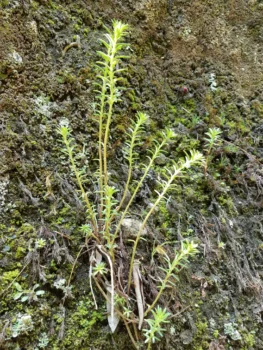
Rose Moss: A Colorful Annual for Hot, Dry Spots
If you’re looking for a plant that laughs in the face of scorching sun and drought conditions, rose moss (Portulaca grandiflora) might just be your new garden hero. This cheerful little annual brings a riot of color to the toughest spots in your landscape, blooming happily where other plants would throw in the trowel.
What is Rose Moss?
Rose moss is a low-growing annual forb that forms colorful mats of succulent-like foliage topped with bright, papery flowers. Despite its common name, it’s not actually a moss at all – it’s a flowering plant that belongs to the purslane family. The rose part of its name comes from its ruffled, rose-like blooms that come in a painter’s palette of colors including hot pink, orange, red, yellow, and white.
Native Status and Distribution
Rose moss isn’t native to North America – it originally hails from South America, particularly Brazil, Argentina, and Uruguay. However, it has naturalized across much of the United States and southern Canada, thriving in states from California to Florida and many places in between. You’ll find it growing wild in Manitoba, Ontario, and across numerous U.S. states including California, Texas, Florida, New York, and many others.
- Species observed
- No observations
Why Gardeners Love (and Sometimes Avoid) Rose Moss
Rose moss has earned a devoted following among gardeners for several compelling reasons:
- Extreme drought tolerance once established
- Thrives in poor, sandy soils where other plants struggle
- Produces masses of colorful blooms from summer until frost
- Requires virtually no maintenance
- Self-seeds readily for next year’s display
- Attracts bees and butterflies to the garden
However, there are a few considerations to keep in mind. Since rose moss is non-native, some gardeners prefer to focus on indigenous plants that support local ecosystems more effectively. Additionally, its enthusiastic self-seeding habit means it can pop up in unexpected places – though it’s easily pulled if unwanted.
Growing Conditions and Care
Rose moss is remarkably undemanding, but it does have a few specific preferences:
- Sunlight: Full sun is absolutely essential – flowers won’t open in shade
- Soil: Well-draining soil is crucial; it thrives in sandy, poor soils
- Water: Minimal watering needed; overwatering can cause root rot
- Temperature: Heat-loving annual that handles hot summer temperatures with ease
This plant has an obligate upland wetland status in most regions, meaning it almost never occurs in wet areas and strongly prefers dry conditions.
Planting and Propagation Tips
Growing rose moss is refreshingly simple:
- Direct seed in spring after all danger of frost has passed
- Barely cover seeds as they need light to germinate
- Space plants 4-6 inches apart, though they’ll spread to form a mat
- Expect germination in 7-14 days in warm soil
- Once established, plants will self-seed for next year
Landscape Uses
Rose moss shines in challenging garden situations:
- Rock gardens: Perfect for tucking into crevices and cascading over stones
- Xeriscapes: Ideal for water-wise landscaping
- Containers: Excellent in pots, especially hanging baskets
- Ground cover: Forms colorful mats in hot, dry areas
- Borders: Creates cheerful edging along paths and beds
Pollinator and Wildlife Benefits
While rose moss does attract bees and butterflies when in bloom, it’s worth noting that native plants typically provide more comprehensive support for local wildlife. The flowers open only in full sunlight and close on cloudy days or in late afternoon, which can limit their pollinator value.
Native Alternatives to Consider
If you’re interested in supporting native ecosystems, consider these drought-tolerant native alternatives that provide similar color and low-maintenance appeal:
- Blanket flower (Gaillardia species) for similar bright colors
- Native sedums for succulent-like foliage and drought tolerance
- Prickly pear cactus (Opuntia species) for extremely dry conditions
- Regional native wildflowers suited to your specific area
The Bottom Line
Rose moss earns its keep as a reliable performer in the garden’s most challenging spots. While it may not be native, it’s not considered invasive either, making it a reasonable choice for gardeners who need something virtually indestructible for hot, dry areas. Just remember to deadhead spent blooms if you want to prevent enthusiastic self-seeding, and consider incorporating some native drought-tolerant plants alongside it to create a more ecologically diverse landscape.
Whether you’re dealing with a scorching hot patio, a sandy slope, or a neglected corner that gets baked by afternoon sun, rose moss might just be the colorful, low-maintenance solution your garden needs.