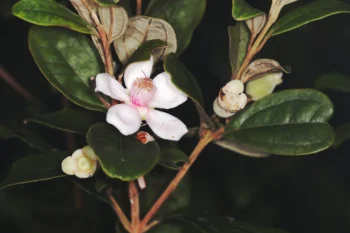
Rose Myrtle: A Tropical Beauty with a Complex Story
Meet rose myrtle (Rhodomyrtus tomentosa), a charming shrub that’s been making itself at home in warm climates across Florida and Hawaii. While this isn’t a native plant to North America, it’s certainly made an impression with its pretty pink flowers and glossy evergreen leaves. But before you rush to add one to your garden, let’s dive into what makes this plant tick and whether it deserves a spot in your landscape.
What Exactly Is Rose Myrtle?
Rose myrtle is a perennial shrub that originally hails from Southeast Asia, particularly Malaysia, Thailand, and southern China. This multi-stemmed woody plant typically grows to about 13-16 feet tall, though it can sometimes stretch taller or stay more compact depending on growing conditions. Think of it as nature’s way of creating a living fence that happens to bloom beautifully.
The plant goes by the scientific name Rhodomyrtus tomentosa, and you might occasionally see it listed under the synonym Rhodomyrtus tomentosus. While other common names aren’t widely documented, rose myrtle captures its essence perfectly with those lovely rose-pink blooms.
Where You’ll Find Rose Myrtle
In the United States, rose myrtle has established populations in Florida and Hawaii. It’s what botanists call a naturalized plant – meaning it was introduced by humans but now reproduces and spreads on its own in the wild. This adaptable shrub has found a comfortable niche in these warm, humid climates.
- Species observed
- No observations
The Appeal Factor
Let’s be honest – rose myrtle knows how to put on a show. Its pink to purple flowers are genuinely attractive, blooming in clusters that catch the eye from across the garden. The evergreen foliage provides year-round structure and interest, while the colorful berries that follow the flowers add another layer of visual appeal. It’s the kind of plant that looks good even when it’s not trying.
Garden Role and Design Potential
Rose myrtle works well as:
- An ornamental shrub for tropical and subtropical gardens
- A hedge or privacy screen
- A specimen plant for Mediterranean-style landscapes
- Part of a mixed shrub border
This shrub thrives in USDA hardiness zones 9-11, so if you’re gardening in cooler climates, it’s probably not going to work for you anyway.
Growing Conditions and Care
Rose myrtle is relatively easygoing when it comes to growing conditions. Here’s what it prefers:
- Light: Full sun to partial shade
- Soil: Well-draining soil of various types
- Water: Moderate water needs once established
- Wetland tolerance: Can handle both wetland and upland conditions, making it quite adaptable
Planting and Care Tips
If you decide to grow rose myrtle, here are some practical tips:
- Give new plants regular watering during their first growing season
- Prune for shape and size control – it responds well to trimming
- Fertilize lightly; this isn’t a heavy feeder
- Watch for signs of spreading beyond where you want it
The Pollinator Question
The flowers do attract bees and other pollinators, which is always a plus for garden ecosystems. However, the specific wildlife benefits beyond basic pollinator attraction aren’t well-documented for this species.
Should You Plant It?
Here’s where things get a bit nuanced. Rose myrtle isn’t listed as invasive or noxious, but it is a non-native plant that has naturalized in wild areas. While there’s no urgent reason to avoid it, you might want to consider native alternatives that could provide similar aesthetic benefits while supporting local ecosystems more effectively.
Some native alternatives to consider include:
- Native azaleas for similar flowering appeal
- Beautyberry for colorful berries and wildlife value
- Native viburnums for evergreen structure and flowers
The Bottom Line
Rose myrtle is an attractive, relatively low-maintenance shrub that can add tropical flair to warm-climate gardens. It’s not a bad plant, but it’s not necessarily the best choice either. If you already have one and it’s behaving well in your garden, there’s no need to panic. But if you’re planning new plantings, consider exploring native options first – your local wildlife will thank you, and you’ll be supporting the plants that truly belong in your region’s ecosystem.
Whatever you decide, remember that good gardening is about making informed choices that work for both you and your local environment. Rose myrtle might be pretty, but sometimes the most beautiful gardens are the ones that celebrate the plants that naturally call your area home.