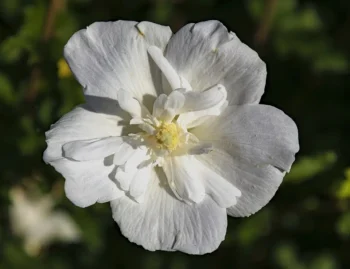
Rose of Sharon: A Late-Summer Blooming Shrub for Your Garden
When most shrubs are calling it quits for the season, rose of Sharon (Hibiscus syriacus) is just getting started. This hardy perennial shrub brings a burst of tropical-looking blooms to late summer gardens when color is often scarce. But before you rush to plant one, let’s explore what makes this shrub tick and whether it’s the right fit for your landscape.
What Exactly Is Rose of Sharon?
Rose of Sharon is a multi-stemmed woody shrub that typically grows 8-12 feet tall and 6-10 feet wide, though it can reach up to 16 feet under ideal conditions. Don’t let the name fool you – it’s not actually a rose at all, but rather a member of the hibiscus family. This non-native plant originally hails from Asia and has made itself quite at home across much of the United States.
Where You’ll Find It Growing Wild
Rose of Sharon has naturalized across 24 states, from Alabama to West Virginia, and everywhere from Connecticut down to Texas. It’s particularly common in the southeastern and mid-Atlantic regions, where it reproduces on its own and persists without human intervention.
- Species observed
- No observations
The Good, The Beautiful, and The Practical
Here’s what makes rose of Sharon appealing to many gardeners:
- Late-season color: Those gorgeous 3-4 inch flowers appear in August and September when most other shrubs are done blooming
- Variety of colors: Flowers come in white, pink, purple, and even blue shades
- Pollinator magnet: Bees, butterflies, and hummingbirds love the nectar-rich blooms
- Low maintenance: Once established, it’s quite drought tolerant and doesn’t need much fussing
- Adaptable: Thrives in USDA zones 5-9 and tolerates various soil conditions
Perfect Spots for Rose of Sharon
This shrub works well in several landscape scenarios:
- As a specimen plant where you want late-summer drama
- In mixed shrub borders for height and texture
- As an informal hedge (though it can get a bit wild without pruning)
- In cottage-style gardens where its somewhat unruly charm fits right in
- Urban landscapes where tough plants are needed
Growing Rose of Sharon Successfully
Light and Location: Rose of Sharon performs best in full sun but tolerates partial shade. More sun typically means more flowers, so choose your spot accordingly.
Soil Needs: This adaptable shrub isn’t particularly fussy about soil type. It handles clay, sand, and loamy soils with equal aplomb, though it prefers well-draining conditions.
Planting Tips: Spring is the ideal planting time. Dig a hole twice as wide as the root ball but no deeper. Water regularly during the first growing season to help establish a strong root system.
Care and Maintenance: Once established, rose of Sharon is fairly hands-off. Water during extended dry periods, and prune in late winter or early spring before new growth begins. Light pruning helps maintain shape and prevents it from getting too leggy.
A Word About Spreading
Rose of Sharon can be a prolific self-seeder, which is how it’s managed to naturalize across so many states. If you don’t want baby rose of Sharon plants popping up everywhere, deadhead spent flowers before they set seed. Some gardeners actually appreciate this trait for filling in naturalized areas.
Consider Native Alternatives
While rose of Sharon isn’t considered invasive, gardeners interested in supporting local ecosystems might consider native alternatives that offer similar benefits:
- Native hibiscus species like swamp rose mallow in wetland areas
- Buttonbush for late-season white flowers that pollinators adore
- Spicebush for wildlife value and fall color
The Bottom Line
Rose of Sharon earns its place in many gardens through sheer determination – blooming when others won’t and thriving where others might struggle. It’s not the most refined shrub you’ll ever grow, but it’s reliable, colorful, and loved by pollinators. Just be prepared for its enthusiasm in spreading itself around, and you’ll likely find it a worthy addition to your landscape palette.
Whether you’re looking to fill a tough spot in your yard or simply want some late-season color, rose of Sharon delivers without demanding much in return. Sometimes that’s exactly what a garden needs.