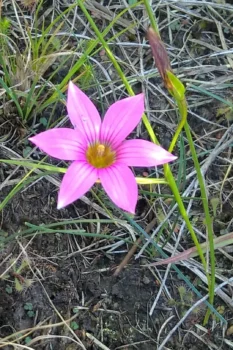
Rosy Sandcrocus: A Mysterious Little Bulb Worth Knowing
Meet the rosy sandcrocus (Romulea rosea var. rosea), a petite and somewhat enigmatic member of the iris family that’s managed to fly under the radar of many gardening enthusiasts. This small bulbous plant belongs to a group that’s more talked about in botanical circles than backyard conversations, but that doesn’t make it any less intriguing.
What Exactly Is a Rosy Sandcrocus?
The rosy sandcrocus is part of the Romulea genus, a collection of small, bulbous plants in the Iridaceae family—yes, the same family that gives us those show-stopping irises and cheerful crocuses. You might also see this plant referenced by its synonym, Ixia rosea L., in older botanical texts.
Like many members of its family, this plant emerges from underground bulbs and produces delicate flowers that seem almost too precious for their humble size. The sandcrocus part of its common name gives you a hint about where these plants typically like to hang out—sandy, well-draining soils where many other plants might struggle.
The Mystery of Its Origins
Here’s where things get a bit mysterious. The specific geographical distribution and native status of Romulea rosea var. rosea isn’t well-documented in readily available sources. This isn’t uncommon with some of the more specialized varieties within plant families—they often exist in botanical collections and specialized gardens without much fanfare in mainstream gardening literature.
Should You Grow It?
The honest answer is: it depends on what you’re looking for and what you can find. Since detailed information about this specific variety’s growing requirements, hardiness zones, and garden performance is limited, it falls into that category of plants that might appeal to:
- Collectors of unusual bulbs
- Gardeners who enjoy experimenting with lesser-known species
- Those creating specialized rock gardens or Mediterranean-style plantings
However, if you’re looking for reliable native plants with well-documented benefits for local wildlife and ecosystems, you might want to consider researching native alternatives in your area first.
What We Don’t Know (And Why That Matters)
Sometimes the most honest thing a gardening expert can tell you is we need more information. For Romulea rosea var. rosea, key details like specific hardiness zones, detailed care requirements, pollinator benefits, and wildlife value aren’t well-established in common horticultural references.
This doesn’t mean it’s not a worthwhile plant—it just means that if you decide to grow it, you’ll be joining a smaller community of gardeners who appreciate the experimental side of horticulture.
If You’re Curious Enough to Try
Should you come across this variety and decide to give it a go, treat it like you would other small bulbous plants from the iris family:
- Provide well-draining soil (remember that sandcrocus hint)
- Plant bulbs at appropriate depth and spacing for small bulbs
- Be patient—many specialty bulbs take time to establish
- Keep records of your experience to contribute to the gardening community’s knowledge
The Bottom Line
Romulea rosea var. rosea represents one of those plants that reminds us how much we still have to learn about the plant kingdom. While it might not be the star of your garden or the solution to your pollinator garden goals, it could be an interesting addition for gardeners who appreciate botanical curiosities.
If you’re drawn to this plant, consider reaching out to specialized bulb societies or botanical gardens—they’re often the best sources for both plants and growing advice for these lesser-known varieties. And who knows? You might just become one of the gardeners who helps fill in the gaps in our collective knowledge about this intriguing little sandcrocus.