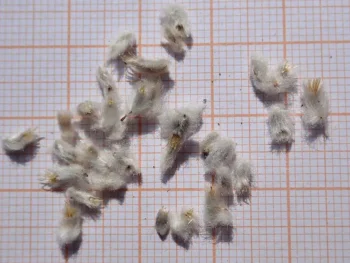
Rosy Sunray: A Charming Paper Daisy for Your Garden
Meet the rosy sunray (Rhodanthe chlorocephala), a delightful little annual that brings a touch of papery charm to any garden space. With its cheerful daisy-like blooms and everlasting flower qualities, this petite beauty has found its way into the hearts of gardeners who love both fresh and dried flower arrangements.
What Makes Rosy Sunray Special
The rosy sunray is a non-woody annual forb that produces small, daisy-like flowers with bright yellow centers surrounded by delicate white to pale pink petals. What sets this flower apart is its papery texture – the petals feel almost like tissue paper and hold their shape beautifully when dried, making them perfect for everlasting bouquets and craft projects.
As an annual, rosy sunray completes its entire life cycle in one growing season, typically reaching heights of 12-18 inches with a similar spread. Despite being a non-native species (originally from Western Australia), it has naturalized in California and reproduces on its own in the wild.
Where You’ll Find Rosy Sunray
Currently, rosy sunray has established itself in California, where it thrives in the Mediterranean-like climate. This introduced species has adapted well to the region’s dry summers and mild winters.
- Species observed
- No observations
Garden Design and Landscape Use
Rosy sunray shines in several garden settings:
- Cutting gardens: Perfect for fresh and dried flower arrangements
- Cottage gardens: Adds a whimsical, old-fashioned charm
- Wildflower meadows: Creates natural-looking drifts of color
- Rock gardens: Thrives in well-draining, sandy conditions
- Container gardens: Works well in pots and window boxes
Growing Conditions and Care
One of rosy sunray’s biggest appeals is its easy-going nature. Here’s what this little charmer needs to thrive:
- Sunlight: Full sun (6+ hours daily)
- Soil: Well-draining sandy or loamy soil
- Water: Drought tolerant once established; minimal watering needed
- USDA Zones: Can be grown as an annual in zones 2-11
Planting and Care Tips
Getting started with rosy sunray is refreshingly simple:
- Direct sow seeds in fall or early spring when soil temperatures are cool
- Scatter seeds on prepared soil surface and lightly rake in
- Keep soil lightly moist until germination (usually 1-2 weeks)
- Once established, water sparingly – overwatering can lead to root rot
- No fertilizer needed in average soil conditions
- Deadhead spent blooms to encourage more flowers, or leave them to self-seed
Benefits for Pollinators and Wildlife
While small, rosy sunray flowers are valuable nectar sources for bees, butterflies, and other small pollinators. The seeds also provide food for small birds, particularly finches who enjoy the tiny seeds.
Should You Plant Rosy Sunray?
While rosy sunray isn’t native to North America, it’s not currently listed as invasive or problematic. If you’re drawn to its papery charm and easy care requirements, it can be a delightful addition to your garden. However, consider balancing your plantings with native alternatives that provide similar benefits:
- Native asters for daisy-like flowers
- Native sunflowers for cutting garden appeal
- Regional wildflowers for natural meadow looks
The rosy sunray offers gardeners a low-maintenance annual with unique textural interest and excellent cutting potential. Whether you’re creating dried arrangements or simply want something different in your flower beds, this little paper daisy might just win you over with its unpretentious charm.