Rough Blackfoot: A Cheerful Annual with a Wild Side
Meet rough blackfoot (Melampodium sericeum), a spirited little annual that’s been quietly making itself at home in American gardens. While this sunny charmer isn’t native to our shores, it’s got personality to spare and some genuinely appealing qualities that might just win you over.
What Exactly Is Rough Blackfoot?
Rough blackfoot is a non-native forb that originally hails from Mexico and Central America. Botanically known as Melampodium sericeum (sometimes listed under its synonym Melampodium hispidum), this herbaceous annual has found its way into parts of the United States, particularly Maryland, where it’s established itself as a naturalized resident.
As a forb, rough blackfoot lacks the woody stems of shrubs and trees, instead producing soft, herbaceous growth that completes its entire life cycle in a single growing season. Think of it as nature’s own annual confetti – bright, cheerful, and gone by winter.
Where You’ll Find It Growing Wild
Currently, rough blackfoot has been documented growing wild in Maryland, where it reproduces on its own without human intervention. This limited distribution suggests it’s still finding its ecological niche in North American landscapes.
- Species observed
- No observations
Garden Appeal and Aesthetic Charm
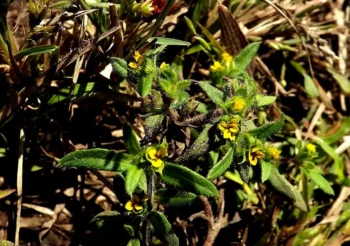
What makes rough blackfoot garden-worthy? Its small, bright yellow daisy-like flowers create a cheerful carpet of color from spring through fall. The compact growth habit makes it perfect for filling gaps in borders or adding texture to wildflower gardens. The blooms have that effortless, I just happened naturally look that many gardeners adore.
Growing Conditions and Care
If you’re considering adding rough blackfoot to your garden, here’s what it needs to thrive:
- Sunlight: Full sun for best flowering
- Soil: Well-drained soils; adaptable to various soil types
- Water: Drought tolerant once established
- USDA Zones: 8-11 as a perennial; grown as an annual in cooler zones
- Maintenance: Low maintenance with minimal care requirements
Planting and Care Tips
Rough blackfoot is refreshingly easy-going. Plant seeds in spring after the last frost, barely covering them with soil. The plants will self-seed readily, so expect volunteers the following year. Water regularly during establishment, then step back and let nature take its course – this plant appreciates a hands-off approach once it’s settled in.
Pollinator and Wildlife Benefits
The bright yellow flowers attract bees and butterflies, making rough blackfoot a valuable addition to pollinator gardens. While we don’t have extensive data on its wildlife benefits in North American ecosystems, the nectar-rich blooms certainly provide food for flying insects throughout the growing season.
Garden Design Ideas
Rough blackfoot works beautifully in:
- Wildflower meadows and naturalized areas
- Border fronts for continuous color
- Rock gardens and xeriscapes
- Cottage garden settings
The Native Alternative Conversation
While rough blackfoot isn’t problematic (it’s not listed as invasive or noxious), some gardeners prefer supporting native ecosystems. If you’re leaning toward native alternatives, consider these North American natives with similar appeal:
- Coreopsis species (tickseed) for bright yellow flowers
- Rudbeckia species (black-eyed Susan) for daisy-like blooms
- Bidens species (beggarticks) for similar growth habits
The Bottom Line
Rough blackfoot is one of those garden plants that simply does its job without fuss. It’s not going to revolutionize your landscape, but it will provide reliable color, attract pollinators, and ask for very little in return. Whether you choose to grow it or opt for native alternatives is entirely up to your gardening philosophy and regional preferences.
If you do decide to give rough blackfoot a try, you’ll likely find it to be a cheerful, low-maintenance companion that brings a touch of wild sunshine to wherever you plant it.