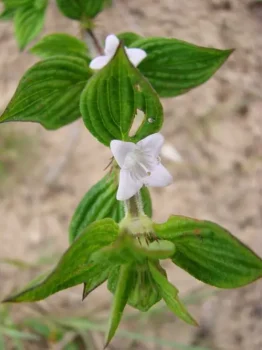
Rough Buttonweed: A Small Player in the Native Plant World
If you’ve stumbled across the name rough buttonweed in your gardening research, you might be wondering whether this little-known plant deserves a spot in your landscape. While Diodia radula (rough buttonweed) isn’t a showstopper, understanding what it is and where it fits in the gardening world can help you make informed decisions about your plant choices.
What is Rough Buttonweed?
Rough buttonweed is a perennial forb—essentially a non-woody herbaceous plant that comes back year after year. Unlike shrubs or trees, this low-growing plant lacks significant woody tissue and keeps its growing points at or near ground level, helping it survive through seasons.
The plant produces small white flowers and maintains a relatively inconspicuous presence in the landscape. As its common name suggests, the foliage has a somewhat rough texture that distinguishes it from smoother-leaved relatives.
Native Status and Distribution
Here’s where things get interesting (and a bit concerning): rough buttonweed isn’t actually native to North America. This introduced species has established itself in the wild and reproduces without human assistance. Currently, it’s been documented growing in Virginia, though its range may be broader than current records indicate.
- Species observed
- No observations
While not classified as invasive in available databases, the fact that it’s a non-native species spreading on its own merits some caution from gardeners who prioritize ecological responsibility.
Should You Grow Rough Buttonweed?
Honestly? Probably not. While rough buttonweed isn’t necessarily harmful, it doesn’t offer the ecological benefits that native plants provide to local wildlife and ecosystems. Here’s what to consider:
- Limited ornamental value compared to native alternatives
- Uncertain long-term behavior as a non-native species
- Minimal documented benefits for pollinators or wildlife
- Better native options available for similar growing conditions
Growing Conditions and Care
If you do encounter rough buttonweed or decide to grow it, here’s what it likely needs:
- Warm climate conditions (probably USDA zones 7-10)
- Moist soil conditions
- Full sun to partial shade
- Minimal maintenance once established
As a perennial forb, it should return each year from its root system, though specific care requirements aren’t well-documented due to its limited cultivation.
Better Native Alternatives
Instead of rough buttonweed, consider these native ground covers and low-growing perennials that offer similar characteristics with better ecological benefits:
- Wild ginger (Asarum canadense) for shaded areas
- Partridgeberry (Mitchella repens) for acidic soils
- Native violets (Viola species) for early season color
- Wintergreen (Gaultheria procumbens) for year-round interest
The Bottom Line
While rough buttonweed isn’t a garden villain, it’s not exactly a garden hero either. This little-known non-native plant offers minimal benefits compared to the wealth of native alternatives available to gardeners. If you’re building a landscape that supports local ecosystems while looking beautiful, you’ll find much better options among plants that evolved alongside local wildlife.
Focus your gardening energy on native species that provide food and habitat for butterflies, birds, and beneficial insects. Your local ecosystem—and your garden—will thank you for it!