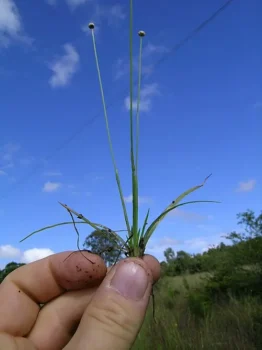
Rough Pipewort: A Unique Wetland Plant for Water Gardens
If you’re looking to add something truly distinctive to your water garden or bog landscape, rough pipewort might just catch your eye. This unusual aquatic plant brings a touch of the exotic to wetland gardens with its peculiar button-like flowers and grass-like appearance.
What Is Rough Pipewort?
Rough pipewort (Eriocaulon scariosum) is a perennial forb that’s all about the water life. Unlike your typical garden flowers, this little character is an obligate wetland plant, meaning it almost always lives in wetlands and won’t be happy anywhere else. Think of it as the aquatic equivalent of a fish out of water—except in reverse!
As a non-woody herbaceous plant, rough pipewort stays relatively small and manageable, making it an interesting addition to specialized water features without taking over your entire landscape.
Where Does Rough Pipewort Come From?
Here’s where things get interesting from a gardening perspective. Rough pipewort isn’t native to the United States—it’s originally from parts of Asia and has established itself in Hawaii, where it now reproduces naturally in the wild.
- Species observed
- No observations
Should You Grow Rough Pipewort?
The decision to grow rough pipewort depends largely on your specific gardening goals and location. Since it’s non-native but not currently listed as invasive, you have some flexibility here. However, there are a few things to consider:
- Specialized needs: This plant requires consistently wet conditions and won’t thrive in typical garden beds
- Limited versatility: It’s really only suitable for water gardens, bog areas, or aquatic features
- Unique appearance: If you’re seeking something unusual for your water feature, it certainly delivers
Native Alternatives to Consider
Before jumping into rough pipewort, you might want to explore some fantastic native wetland plants that could give you similar aesthetic appeal while supporting local ecosystems:
- Native sedges and rushes for grass-like texture
- Indigenous water lilies for aquatic blooms
- Regional bog plants that provide habitat for local wildlife
These alternatives often provide better support for native pollinators and wildlife while requiring less specialized care.
Growing Rough Pipewort Successfully
If you decide rough pipewort is right for your water garden, here’s what you need to know about keeping it happy:
Perfect Growing Conditions
- Water requirements: Shallow water or consistently saturated soil—think bog conditions
- Light needs: Full sun to partial shade
- Climate: Best suited for USDA hardiness zones 10-11 (tropical and subtropical areas)
- Soil: Muddy, organic-rich substrates
Planting and Care Tips
Growing rough pipewort is relatively straightforward once you understand its water-loving nature:
- Plant in shallow water areas of ponds or bog gardens
- Ensure the growing medium stays consistently wet—never let it dry out
- Provide good water circulation to prevent stagnation
- In colder climates, consider growing in containers that can be moved indoors
What to Expect
Rough pipewort won’t give you the showy blooms of a hibiscus or the dramatic foliage of a hosta. Instead, it offers subtle charm with its grass-like leaves and distinctive small, white, button-shaped flower heads. It’s more about adding texture and botanical interest to water features than creating bold visual impact.
The plant tends to stay relatively compact, making it manageable for smaller water gardens or contained aquatic features.
The Bottom Line
Rough pipewort occupies a pretty specific niche in the gardening world. If you have a water garden or bog area and want something genuinely unusual, it might be worth considering. However, given its non-native status and specialized requirements, many gardeners will find better value in exploring native wetland plants that offer similar aesthetic appeal while supporting local ecosystems.
Whatever you choose, remember that successful wetland gardening is all about understanding and working with water-loving plants’ unique needs. Whether you go native or exotic, the key is creating the right soggy conditions these aquatic characters crave!