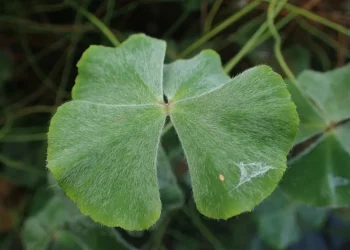
Rough Waterclover: An Unusual Aquatic Fern for Water Gardens
Meet rough waterclover (Marsilea hirsuta), a quirky little aquatic fern that’s been making waves in water gardens across the southeastern United States. Don’t let the name fool you – this isn’t your typical clover at all! It’s actually a fascinating fern that just happens to sport the classic four-leaf clover look that we all know and love.
What Exactly Is Rough Waterclover?
Rough waterclover is a perennial aquatic fern that belongs to a unique group of water-loving plants. Unlike typical ferns that prefer shady forest floors, this little charmer thrives in and around water. It’s classified as a forb, meaning it’s a soft-stemmed plant without woody tissue that dies back to ground level each year, only to return the following season.
This plant is considered non-native to the United States, having been introduced from its native range in Australia and parts of Asia. Currently, it’s established in Florida, where it reproduces on its own and has become naturalized in wetland areas.
- Species observed
- No observations
Should You Plant Rough Waterclover?
The decision to grow rough waterclover comes down to your specific gardening goals and values. Here’s what you should consider:
The Appeal
- Creates a charming carpet-like ground cover in aquatic settings
- Distinctive four-leaf appearance adds visual interest to water features
- Hardy perennial that returns year after year in USDA zones 6-11
- Relatively low-maintenance once established
- Works well in both outdoor water gardens and indoor aquariums
The Considerations
Since rough waterclover is non-native, many gardeners prefer to choose native aquatic plants that support local ecosystems. As a fern, it doesn’t produce flowers, so it won’t provide nectar for pollinators like native flowering aquatic plants would.
If you’re passionate about supporting native wildlife and maintaining ecological authenticity in your garden, consider exploring native alternatives such as American water-plantain, pickerelweed, or native sedges that thrive in similar conditions.
Growing Rough Waterclover Successfully
If you decide to grow rough waterclover, here’s how to give it the best chance to thrive:
Ideal Growing Conditions
- Water depth: Prefers shallow water, typically 1-6 inches deep
- Light: Partial shade to full sun
- Soil: Consistently moist to submerged conditions
- Climate: Hardy in USDA zones 6-11
Planting and Care Tips
Rough waterclover is surprisingly easy to grow once you understand its needs. Plant it in shallow areas of ponds, bog gardens, or container water features. The key is maintaining consistent moisture – this plant absolutely cannot dry out.
It spreads naturally through underground runners, so give it room to expand or be prepared to divide it periodically. In warmer climates, it may remain evergreen, while in cooler zones, it will die back in winter and return in spring.
Perfect Garden Settings
Rough waterclover shines in:
- Water gardens and pond margins
- Bog gardens and rain gardens
- Container water features
- Indoor aquariums (with proper lighting)
- Areas with poor drainage that stay consistently wet
The Bottom Line
Rough waterclover offers a unique aesthetic appeal for water gardeners who appreciate its distinctive clover-like appearance and carpet-forming habit. While it’s a non-native species, it’s not considered invasive, making it a neutral choice for those focused primarily on garden aesthetics rather than native plant gardening.
However, if supporting local ecosystems is a priority, consider exploring the many beautiful native aquatic plants available in your region. Your local native plant society or extension office can provide excellent recommendations for native alternatives that offer similar visual appeal while supporting local wildlife.