Roundhead Bulrush: A Distinctive Wetland Plant for Water Gardens
If you’re looking to add some architectural interest to your water garden or wetland area, you might want to consider roundhead bulrush (Scirpoides holoschoenus). This distinctive sedge brings a unique texture and form to wet landscapes, though there are some important considerations before adding it to your garden.
What Is Roundhead Bulrush?
Roundhead bulrush is a perennial grass-like plant belonging to the sedge family (Cyperaceae). You might also encounter this plant under several scientific synonyms, including Scirpus holoschoenus, Holoschoenus romanus, or Holoschoenus vulgaris – botanists have shuffled this plant around a bit over the years!
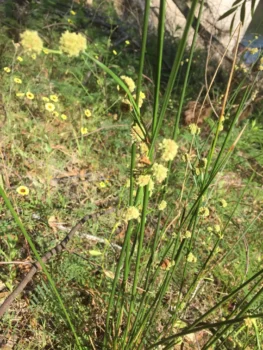
This plant gets its common name from its most distinctive feature: dense, spherical clusters of tiny brown flowers and seed heads that sit atop tall, slender stems. These rounded bulrush heads create an almost architectural appearance that stands out in wetland settings.
Native Status and Distribution
Here’s something important to know upfront: roundhead bulrush is not native to North America. It’s originally from the Mediterranean region and other parts of Europe and North Africa. In the United States, it has established itself in Kentucky and New York, where it now reproduces on its own in the wild.
- Species observed
- No observations
While it’s not currently listed as invasive or noxious, its non-native status means you might want to consider native alternatives first. Native sedges and rushes can provide similar aesthetic benefits while supporting local ecosystems.
Where and Why You Might Grow It
Roundhead bulrush is classified as an obligate wetland plant across multiple regions, meaning it almost always occurs in wetlands. This makes it particularly well-suited for:
- Water gardens and bog gardens
- Pond margins and stream banks
- Rain gardens and bioswales
- Naturalistic wetland restorations
- Areas with consistently wet or saturated soil
The plant’s unique spherical seed heads and upright growth habit can add vertical interest and textural contrast to wetland plantings. Its architectural form works especially well in contemporary landscape designs that emphasize structure and form.
Growing Conditions and Care
If you decide to grow roundhead bulrush, success depends on providing the right growing conditions:
Moisture: This plant absolutely requires consistently wet to saturated soil conditions. It won’t tolerate drought or even moderately dry conditions.
Light: Full sun to partial shade works best, though it tends to be more robust in sunnier locations.
Soil: Adapts to various soil types as long as they remain consistently moist to wet.
Climate: Hardy in USDA zones 7-10, making it suitable for warmer regions of the country.
Planting and Maintenance
Once established in appropriate wet conditions, roundhead bulrush is relatively low-maintenance. The key is getting the moisture requirements right from the start. Plant it in areas that naturally stay wet, or in constructed wetlands where you can control water levels.
The plant spreads naturally in suitable conditions, so give it room to expand or be prepared to manage its spread if space is limited.
Wildlife and Ecological Considerations
As a wind-pollinated plant, roundhead bulrush doesn’t offer significant nectar resources for pollinators. Its ecological benefits in North American landscapes are limited compared to native wetland plants that have co-evolved with local wildlife.
Native Alternatives to Consider
Before choosing roundhead bulrush, consider these native alternatives that can provide similar wetland habitat and visual interest:
- Native bulrushes (Schoenoplectus species)
- Spike rushes (Eleocharis species)
- Native sedges (Carex species)
- Soft rush (Juncus effusus)
These native options will provide similar aesthetic appeal while supporting local ecosystems and wildlife.
The Bottom Line
Roundhead bulrush can be an interesting addition to water gardens and wetland areas, especially if you appreciate its unique architectural form. However, its non-native status means it’s worth exploring native alternatives first. If you do choose to grow it, make sure you can provide the consistently wet conditions it absolutely requires, and consider containing it to prevent unwanted spread into natural wetland areas.
Remember, the best garden choices support both your aesthetic vision and local ecosystems – so take time to explore what native wetland plants might work for your space before settling on this Mediterranean transplant.