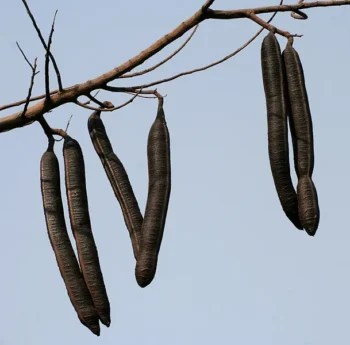
Roxburgh’s Cassia: A Tropical Beauty for Warm Climate Gardens
If you’re looking to add a touch of tropical elegance to your warm climate garden, Roxburgh’s cassia (Cassia roxburghii) might just be the plant you’ve been searching for. This lovely flowering plant brings sunny yellow blooms and attractive foliage to landscapes in the warmest parts of the United States, though it’s worth noting that it’s not a native species.
What is Roxburgh’s Cassia?
Roxburgh’s cassia is a flowering shrub or small tree that belongs to the legume family. You might also see it listed under its botanical synonym, Cassia marginata. This plant hails from the tropical regions of India and Southeast Asia, where it grows naturally in warm, humid conditions.
The plant produces clusters of bright yellow flowers that create a cheerful display in the garden, complemented by compound leaves that provide attractive green foliage year-round in suitable climates.
Should You Plant Roxburgh’s Cassia?
Whether Roxburgh’s cassia is right for your garden depends on several factors:
- Climate compatibility: This plant thrives only in USDA hardiness zones 9-11, so it’s limited to the warmest parts of the country
- Garden style: It works well in tropical and subtropical landscape designs, botanical gardens, or as a specimen plant
- Maintenance preferences: It’s relatively low-maintenance once established
- Pollinator support: The flowers do attract bees and butterflies, providing some wildlife value
However, since this isn’t a native plant, consider exploring native alternatives that might provide similar aesthetic appeal while better supporting local ecosystems. Native flowering trees and shrubs in your region will typically offer superior wildlife benefits and be better adapted to local conditions.
Growing Conditions and Care
If you decide to grow Roxburgh’s cassia, here’s what you need to know:
Light and Location
Plant your Roxburgh’s cassia in full sun to partial shade. It appreciates bright light but can tolerate some afternoon shade in very hot climates.
Soil Requirements
Well-draining soil is essential for this plant. It’s not particularly fussy about soil type, but good drainage will prevent root problems.
Watering and Maintenance
- Water regularly during the establishment period
- Once established, the plant becomes fairly drought tolerant
- Minimal pruning is needed – just remove dead or damaged branches
- No special fertilization requirements
The Bottom Line
Roxburgh’s cassia can be an attractive addition to warm climate gardens, offering yellow flowers and tropical appeal. While it’s not native to North America, it doesn’t appear to pose invasive threats either. If you’re drawn to its sunny blooms and tropical character, it can work well in zones 9-11. However, always consider native alternatives first – they’ll typically provide better support for local wildlife while being perfectly adapted to your regional growing conditions.
Before planting, check with local native plant societies or extension offices to discover native flowering shrubs and trees that might give you similar aesthetic benefits while supporting your local ecosystem.