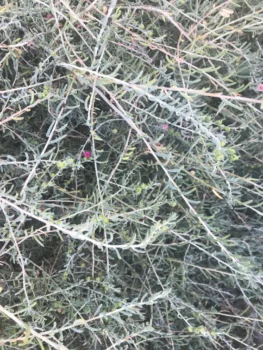
Ruby Saltbush: A Drought-Tolerant Shrub for Water-Wise Gardens
Meet the ruby saltbush (Enchylaena tomentosa), a compact shrub that’s been making its way into drought-tolerant landscapes across warmer regions of the United States. While this silvery-leafed beauty isn’t a North American native, it’s caught the attention of gardeners looking for low-maintenance plants that can handle tough, dry conditions.
What Exactly Is Ruby Saltbush?
Ruby saltbush is a small shrub that typically stays under 13-16 feet tall, though most specimens remain much smaller in garden settings. True to its name, this plant produces tiny ruby-red berries that add a pop of color against its soft, silvery-gray foliage. The plant gets its saltbush moniker from its ability to tolerate saline soils – a handy trait in coastal or alkaline soil conditions.
Where Does It Come From and Where Can You Find It?
Originally hailing from Australia, ruby saltbush has established itself in California, where it grows as a non-native species that reproduces on its own in the wild. It’s adapted well to the Mediterranean-like climate conditions found in parts of the Golden State.
- Species observed
- No observations
The Good, The Bad, and The Practical
Let’s be honest about what you’re getting with ruby saltbush. On the plus side, this is one tough little plant. It thrives in full sun, handles drought like a champ once established, and asks for very little from you in terms of maintenance. The silvery foliage provides nice textural contrast in xerophytic gardens, and those ruby berries add visual interest.
However, since it’s not native to North America, it won’t provide the same ecological benefits as indigenous plants. Native insects, birds, and other wildlife have evolved alongside native plants, creating important relationships that non-native species simply can’t replicate.
Growing Conditions and Care
If you decide to give ruby saltbush a try, here’s what it needs to thrive:
- Full sun exposure
- Well-draining soil (it’s quite tolerant of poor soils)
- Minimal water once established
- USDA hardiness zones 9-11 (warm climates only)
The plant has an Obligate Upland wetland status in most western regions, meaning it almost never occurs in wetland areas – so keep it in your drier garden spots.
Consider Native Alternatives
While ruby saltbush isn’t invasive, choosing native plants will give you more bang for your ecological buck. Consider these native alternatives that offer similar drought tolerance and low maintenance:
- Native saltbush species (Atriplex species)
- Coyote brush (Baccharis pilularis)
- California sagebrush (Artemisia californica)
These natives will provide food and habitat for local wildlife while still giving you that water-wise, low-maintenance garden you’re after.
The Bottom Line
Ruby saltbush is a perfectly serviceable drought-tolerant shrub that won’t cause ecological havoc in your garden. If you’re drawn to its unique appearance and have the right climate for it, there’s no major reason to avoid it. Just remember that every garden spot is an opportunity to support local ecosystems – and native plants are your best bet for creating habitat that truly benefits the wildlife in your area.