Russian Olive: Why This Non-Native Shrub Should Stay Out of Your Garden
You might have heard Russian olive (Elaeagnus angustifolia) praised for its silvery foliage and drought tolerance, but before you consider adding this shrub to your landscape, there’s something important you need to know. Despite its appealing qualities, Russian olive has earned a troublesome reputation across North America as an invasive species that can wreak havoc on native ecosystems.
What is Russian Olive?
Russian olive, also known as oleaster or trebizond-date, is a perennial shrub that typically grows as a multi-stemmed woody plant reaching up to 35 feet in height. This non-native species was introduced to North America and now reproduces spontaneously in the wild, persisting without human intervention across both Canada and the lower 48 states.
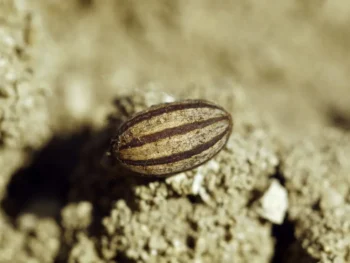
The plant features distinctive silvery-gray foliage with a coarse texture that remains dense during summer months. In early summer, it produces fragrant yellow flowers that are quite conspicuous, followed by yellow fruits that persist from summer through fall.
Where Russian Olive Grows
Originally native to Central Asia, Russian olive has spread extensively across North America. You can find it growing in numerous states and provinces including Alberta, British Columbia, Manitoba, Arizona, California, Colorado, Connecticut, Idaho, Illinois, and many others across the continent.
- Species observed
- No observations
The Invasive Species Problem
Here’s why you should avoid planting Russian olive: This species has been classified as invasive or restricted in multiple states. Connecticut lists it as Potentially Invasive, Prohibited, North Dakota categorizes it as Invasive, and Wisconsin has designated it as Restricted. These classifications exist because Russian olive can aggressively colonize natural areas, displacing native plants and disrupting local ecosystems.
Growing Characteristics
Russian olive is unfortunately well-suited to spread rapidly due to its adaptable nature:
- Growth rate: Rapid, reaching up to 35 feet at maturity
- Hardiness: Extremely hardy, tolerating temperatures as low as -38°F (USDA zones 2-7)
- Drought tolerance: High – thrives with minimal water once established
- Soil adaptability: Grows in coarse and medium-textured soils with pH ranging from 6.0 to 9.5
- Salt tolerance: High salinity tolerance
- Nitrogen fixation: High – can alter soil chemistry in natural areas
Wildlife and Pollinator Interactions
While Russian olive does provide some benefits to wildlife – offering 5-10% of terrestrial birds’ diet and attracting pollinators to its fragrant flowers – these benefits come at a significant cost. The species can form dense thickets that crowd out native plants that wildlife actually depend on for long-term ecosystem health.
Better Native Alternatives
Instead of planting Russian olive, consider these native alternatives that provide similar benefits without the ecological risks:
- American elderberry (Sambucus canadensis) for wildlife food
- Serviceberry (Amelanchier species) for drought tolerance and wildlife benefits
- Native willows (Salix species) for erosion control and wildlife habitat
- Sumac species (Rhus) for drought tolerance and fall color
What If It’s Already Growing on Your Property?
If you already have Russian olive growing on your property, consider removing it responsibly. Young plants can be pulled by hand, while larger specimens may require cutting and treating stumps to prevent resprouting (since this species has high resprout ability). Always check with your local extension office for the best removal methods in your area.
The Bottom Line
While Russian olive might seem like an attractive, low-maintenance option for challenging growing conditions, its invasive nature makes it a poor choice for responsible gardeners. By choosing native alternatives instead, you’ll create a landscape that supports local wildlife and ecosystems while still achieving your gardening goals. Your local environment – and future generations of gardeners – will thank you for making the sustainable choice.