Rye Brome: Why This European Grass Isn’t Right for Your Garden
If you’ve ever wondered about that unremarkable grass popping up in disturbed areas around your property, you might be looking at rye brome (Bromus secalinus). While it might seem like just another harmless grass, this European native has some characteristics that make it less than ideal for intentional cultivation in North American gardens.
What Is Rye Brome?
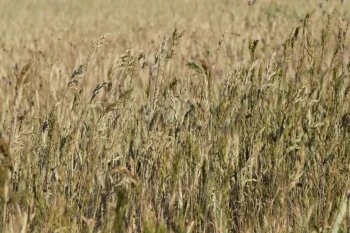
Rye brome is an annual grass that originally hails from Europe and western Asia. Don’t let the name fool you – it’s not related to rye grain, though it does belong to the same grass family. This slender-stemmed plant produces loose, drooping seed heads that give it a rather modest, unremarkable appearance.
Where Does Rye Brome Grow?
This adaptable grass has made itself quite at home across North America. You can find rye brome throughout Canada (including Alberta, British Columbia, New Brunswick, Nova Scotia, Ontario, Quebec, and Yukon) and all across the United States, from Alaska to Hawaii and everywhere in between. It’s particularly fond of disturbed soils, agricultural areas, and waste places.
- Species observed
- No observations
Why You Shouldn’t Plant Rye Brome
Here’s where things get a bit concerning for gardeners. Rye brome has earned noxious weed status in some areas, with restrictions on seed distribution. As a non-native species that reproduces spontaneously and persists without human help, it has the potential to outcompete native plants and disrupt local ecosystems.
Beyond its ecological concerns, rye brome simply isn’t much to look at from an ornamental standpoint. Its modest appearance and tendency to pop up where you don’t want it make it a poor choice for intentional landscaping.
Growing Characteristics
If rye brome does appear in your landscape (and it very well might on its own), here’s what you can expect:
- Growth habit: Annual grass that completes its life cycle in one year
- Hardiness: Extremely hardy across most temperate zones (USDA zones 3-9)
- Growing conditions: Thrives in full sun to partial shade, adaptable to various soil types
- Height: Typically grows 1-3 feet tall
- Self-seeding: Reproduces readily from seed without assistance
Better Native Alternatives
Instead of rye brome, consider these beautiful native grasses that provide similar textures while supporting local wildlife:
- Little bluestem (Schizachyrium scoparium) – Beautiful bronze fall color
- Buffalo grass (Poaceae dactyloides) – Low-maintenance prairie native
- Purple needlegrass (Stipa pulchra) – California’s state grass with elegant seed heads
- Canada wild rye (Elymus canadensis) – A true native alternative with attractive seed heads
Managing Rye Brome in Your Landscape
If rye brome has already established itself in your garden, the best approach is prevention and early removal. Since it’s an annual, preventing seed production by mowing or hand-pulling before the seeds mature can help reduce future populations. Focus on establishing healthy native plant communities that can outcompete weedy species naturally.
The Bottom Line
While rye brome might not be the most aggressive invasive species out there, it’s certainly not a plant worth inviting into your garden. Its noxious status, non-native origins, and unremarkable appearance make it a poor choice for intentional cultivation. Instead, embrace the beauty and ecological benefits of native grasses that will support your local ecosystem while providing the aesthetic appeal you’re looking for.
Remember, every plant we choose for our gardens is a vote for the kind of landscape we want to create. Make your vote count for native biodiversity!