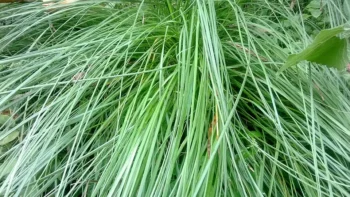
Sabaigrass: The Mysterious Grass That’s Hard to Pin Down
Ever stumbled across a plant name that sounds intriguing but leaves you scratching your head when you try to learn more about it? Meet sabaigrass (Eulaliopsis binata) – a grass species that’s as elusive in the gardening world as it is in the botanical literature.
What Exactly Is Sabaigrass?
Sabaigrass belongs to the grass family and falls into that broad category of grass-like plants that includes true grasses, sedges, and rushes. If you’ve seen the scientific name Ischaemum angustifolium floating around, that’s actually an older name for the same plant – botanists do love their name changes!
Here’s the thing though: despite having a common name and a proper botanical classification, sabaigrass is surprisingly mysterious. It’s like that quiet person at a party who everyone knows exists but nobody really knows much about.
The Information Gap Problem
When it comes to practical gardening information about sabaigrass, we’re looking at some pretty big knowledge gaps:
- Its native range and natural habitat remain unclear
- Growing requirements and hardiness zones are undocumented
- Wildlife and pollinator benefits are unknown
- Invasive potential hasn’t been assessed
- Cultivation practices are largely undocumented
Should You Plant Sabaigrass?
This is where things get tricky. Without clear information about sabaigrass’s native status, growing requirements, or potential ecological impacts, it’s hard to make a solid recommendation either way.
If you’re considering this plant for your garden, here are some important considerations:
- The lack of available information makes it difficult to grow successfully
- Unknown invasive potential means it could potentially cause ecological problems
- Without knowing its native range, you can’t be sure it’s appropriate for your local ecosystem
- Limited availability means finding plants or seeds could be challenging
Better Alternatives for Your Garden
Instead of taking a gamble on mysterious sabaigrass, consider these well-documented native grass alternatives that offer proven benefits:
- Little bluestem for prairie-style gardens
- Buffalo grass for low-maintenance lawns in appropriate climates
- Native sedges for wetland or rain gardens
- Regional bunch grasses that support local wildlife
The Bottom Line
While sabaigrass might sound intriguing, the lack of reliable information makes it a risky choice for most gardeners. Until we know more about its growing requirements, native status, and ecological impacts, it’s probably best to stick with well-documented native plants that will definitely thrive in your garden and support local wildlife.
Sometimes the most responsible gardening choice is admitting when we don’t know enough about a plant to recommend it. Sabaigrass falls squarely into that category – at least for now.