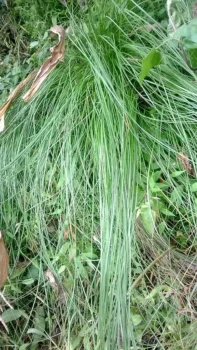
Sabaigrass (Eulaliopsis): The Mystery Grass Worth Knowing About
If you’ve stumbled across the name sabaigrass or its scientific name Eulaliopsis while researching native grasses, you’re probably scratching your head wondering what exactly this plant is. Don’t worry – you’re not alone! Sabaigrass is one of those botanical mysteries that keeps even seasoned gardeners guessing.
What is Sabaigrass?
Sabaigrass belongs to the genus Eulaliopsis, which falls into the broader category of grasses and grass-like plants. This group includes true grasses from the Poaceae family, along with sedges, rushes, and other grass-like species. Think of it as part of that diverse world of plants that sway in the breeze and add texture to our landscapes.
The Geographic Mystery
Here’s where things get interesting (and a bit frustrating for curious gardeners): reliable information about sabaigrass’s native range and distribution is surprisingly scarce. This lack of readily available data makes it challenging to determine exactly where this grass calls home or how it might fit into your local ecosystem.
Should You Grow Sabaigrass?
Given the limited information available about Eulaliopsis, it’s difficult to make specific recommendations about growing sabaigrass in your garden. Without clear data on its native status, growing requirements, or potential invasiveness, it’s hard to know whether this grass would be a good fit for your landscape goals.
Consider Well-Documented Native Alternatives
Since sabaigrass remains somewhat of an enigma, you might want to consider these well-researched native grass alternatives that offer similar ornamental value:
- Little bluestem (Schizachyrium scoparium) – excellent for prairie gardens
- Buffalo grass (Poaceae family) – drought-tolerant and low-maintenance
- Native sedges – perfect for wet areas and wildlife habitat
- Switchgrass (Panicum virgatum) – beautiful fall color and bird benefits
If You’re Determined to Learn More
If sabaigrass has captured your imagination and you’re determined to learn more, here are some steps you can take:
- Contact your local native plant society or botanical garden
- Reach out to university extension services in your area
- Connect with local grass specialists or prairie restoration experts
- Check with regional herbaria for specimen records
The Bottom Line
While sabaigrass (Eulaliopsis) sounds intriguing, the lack of available growing information makes it a risky choice for most gardeners. Your time and garden space might be better invested in well-documented native grasses that offer proven benefits for wildlife, require less guesswork, and come with reliable growing guides.
Remember, successful native gardening is often about choosing plants with established track records and clear ecological roles. When in doubt, stick with the tried-and-true native species that your local experts recommend – your garden (and the local wildlife) will thank you for it!