Sacred Lotus: The Stunning Water Garden Showstopper You Need to Know About
If you’ve ever dreamed of creating a water garden that stops visitors in their tracks, the sacred lotus (Nelumbo nucifera) might just be calling your name. This breathtaking aquatic perennial brings an almost otherworldly beauty to any pond or water feature, though there are some important things every gardener should know before diving in.
What Makes Sacred Lotus So Special?
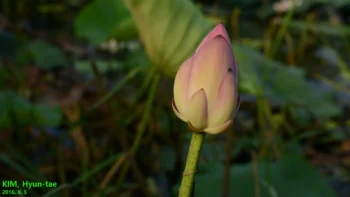
The sacred lotus is truly a sight to behold. Imagine flowers that can span 6-8 inches across, blooming in elegant shades of pink or pristine white, rising majestically above the water’s surface. But the flowers are just part of the show – the leaves are equally impressive, forming perfect circles up to 24 inches wide that seem to float effortlessly on the water like nature’s own lily pads.
After the flowers fade, you’re treated to another spectacle: distinctive seed pods that look like something straight out of a fairy tale. These ornamental pods make the sacred lotus a four-season performer in your water garden.
A Beautiful Immigrant
Here’s something important to know: sacred lotus isn’t native to North America. This stunning perennial originally calls Asia and Australia home, but it has established itself across much of the United States. You’ll find naturalized populations thriving in Alabama, Arkansas, Florida, Georgia, Louisiana, Maryland, Mississippi, Missouri, New Jersey, New York, North Carolina, Ohio, South Carolina, Tennessee, and West Virginia.
- Species observed
- No observations
Important note for Wisconsin gardeners: Sacred lotus is prohibited in Wisconsin due to its invasive potential, so you’ll want to skip this one and consider native alternatives instead.
Is Sacred Lotus Right for Your Garden?
Sacred lotus is definitely not your average garden plant – it’s an obligate wetland species, meaning it absolutely must have water to survive. This makes it perfect for:
- Large ponds and water gardens
- Wetland restoration projects
- Estate-sized water features
- Public gardens and arboretums
However, it’s not suitable for small containers or typical backyard water features. This plant needs space – lots of it – and water that’s at least 12 inches deep.
Growing Sacred Lotus Successfully
If you’re ready to take on this aquatic beauty, here’s what you need to know:
Hardiness: Sacred lotus thrives in USDA zones 4-10, making it surprisingly adaptable to different climates.
Light requirements: Full sun is non-negotiable. This plant needs at least 6 hours of direct sunlight daily to bloom properly.
Water conditions: Still or very slow-moving water works best. The plant prefers a rich, muddy substrate and water temperatures that warm up nicely in summer.
Planting tips: Spring is the ideal time to plant sacred lotus rhizomes. In colder zones, you may need to provide winter protection or bring containers indoors.
Benefits for Pollinators and Wildlife
Despite being non-native, sacred lotus does offer some benefits to local wildlife. The large flowers attract bees and beetles, providing both nectar and pollen during the blooming season. However, because it’s not native, it won’t support the full range of wildlife that indigenous plants would.
Consider Native Alternatives
If you’re looking to support native ecosystems while still enjoying stunning water garden plants, consider these beautiful alternatives:
- American lotus (Nelumbo lutea) – a close native relative with yellow flowers
- Fragrant water lily (Nymphaea odorata) – classic white blooms with incredible fragrance
- Spatterdock (Nuphar advena) – bright yellow flowers and heart-shaped leaves
The Bottom Line
Sacred lotus is undeniably gorgeous and can create a stunning focal point in the right water garden setting. While it’s not native to North America, it’s only considered problematic in Wisconsin. If you have the space, water depth, and commitment this plant requires, it can be a breathtaking addition to your landscape.
Just remember: with great beauty comes great responsibility. Make sure you’re prepared for this plant’s specific needs and consider whether a native alternative might better serve both your garden goals and local wildlife. Whatever you choose, your water garden is sure to be spectacular!