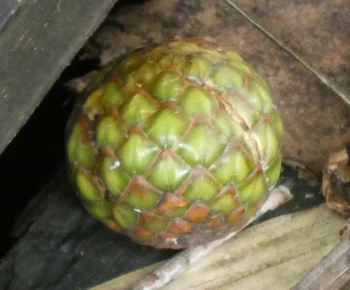
Sago Palm: A Tropical Giant for Warm Climate Gardens
If you’ve ever dreamed of adding a touch of tropical paradise to your garden, the sago palm (Metroxylon sagu) might catch your eye. But before you fall head over heels for this impressive palm, let’s dive into what makes this plant tick and whether it’s the right fit for your landscape.
What Is a Sago Palm?
The sago palm, scientifically known as Metroxylon sagu, is a large tropical palm that creates quite the statement wherever it grows. With its distinctive feather-like fronds that can reach impressive sizes, this palm brings serious architectural drama to any landscape. Don’t let the sago name fool you though – this isn’t your typical houseplant sago palm!
This species also goes by the synonym Metroxylon rumphii, just in case you encounter that name in your plant research adventures.
Where Does It Come From?
Originally hailing from Southeast Asia – including Indonesia, Malaysia, and Papua New Guinea – the sago palm has found its way to other tropical locations. In the United States, you’ll find it growing in Guam and Palau, where it’s considered a non-native species that has naturalized and reproduces on its own in the wild.
- Species observed
- No observations
The Good, The Bad, and The Tropical
Here’s the scoop on why you might (or might not) want to invite this palm into your garden:
The Appeal
- Creates stunning vertical interest and tropical ambiance
- Makes an excellent specimen plant for large spaces
- Bold, architectural presence that’s hard to ignore
- Can attract some insects with its small flowers
The Reality Check
- Requires warm, tropical conditions year-round (USDA zones 10-12 only)
- Needs significant space to reach its full potential
- As a non-native species, it won’t support local ecosystems like native plants would
Growing Your Sago Palm Successfully
If you live in a tropical or subtropical climate and have decided this palm is for you, here’s how to keep it happy:
Perfect Growing Conditions
- Warm, humid environment with consistent temperatures
- Well-draining soil that stays consistently moist
- Partial shade to full sun exposure
- Protection from strong winds that could damage the large fronds
Planting and Care Tips
- Choose a location with plenty of room for growth
- Water regularly to maintain consistent soil moisture
- Provide shelter from harsh winds
- Ensure temperatures don’t drop below tropical ranges
Consider Native Alternatives
While the sago palm can be a showstopper, remember that native plants are always the better choice for supporting local wildlife and ecosystems. If you’re in tropical areas where this palm might grow, consider researching native palm species that could provide similar aesthetic appeal while benefiting local birds, insects, and other wildlife.
Native plants are adapted to your local climate, require less maintenance once established, and create habitat for the creatures that call your area home. It’s a win-win for both you and Mother Nature!
The Bottom Line
The sago palm is undeniably impressive and can create a stunning tropical focal point in the right setting. However, it’s definitely a plant for experienced gardeners in very specific climates. If you have the space, the climate, and the commitment to care for this tropical giant, it could be a spectacular addition to your landscape. Just remember to explore native options first – your local ecosystem will thank you for it!