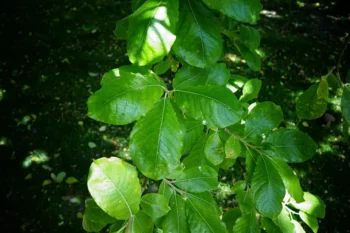
Salix aegyptiaca: The Mystery Willow That’s Hard to Pin Down
Ever stumbled across a plant name that seems to lead you down a rabbit hole of botanical confusion? Meet Salix aegyptiaca, a willow species that’s proving to be quite the enigma in the gardening world. If you’ve been searching for information about this particular plant, you’re probably discovering what many gardeners have found: reliable details about this species are surprisingly scarce.
What We Know (And Don’t Know)
Here’s the thing about Salix aegyptiaca – while it bears the scientific name of what should be an Egyptian willow (that aegyptiaca part is a dead giveaway), concrete information about this specific species is incredibly limited in mainstream horticultural sources. This could mean a few things:
- It might be an extremely rare or regionally specific species
- The name could be synonymous with another, more commonly known willow
- It may be an outdated botanical name that’s been reclassified
- Information about it exists primarily in specialized botanical literature rather than gardening resources
The Challenge for Home Gardeners
When you can’t find solid information about a plant’s native range, growing requirements, or even its common name, it creates a real challenge for responsible gardening. Without knowing whether Salix aegyptiaca is native to your area, what conditions it prefers, or how it behaves in cultivation, it’s nearly impossible to make an informed decision about whether to plant it.
What to Do When Information Is Scarce
If you’re determined to learn more about Salix aegyptiaca, here are some steps you can take:
- Contact your local botanical garden or university extension office
- Reach out to native plant societies in your region
- Consult specialized botanical databases and herbarium records
- Connect with willow enthusiasts or dendrology experts
A Safer Alternative Approach
Instead of pursuing a plant with so many unknowns, consider exploring well-documented native willow species in your area. Willows are fantastic additions to gardens and landscapes when chosen appropriately, offering:
- Excellent erosion control along waterways
- Early nectar sources for pollinators
- Habitat for various wildlife species
- Fast growth and attractive form
Your local native plant society can help you identify which willow species are native to your region and provide proven growing tips for successful cultivation.
The Bottom Line
While the mystery of Salix aegyptiaca might intrigue plant lovers and botanical detectives, the lack of readily available information makes it a risky choice for most gardeners. When in doubt, stick with well-documented native species that you know will thrive in your conditions and support local ecosystems.
Sometimes the most responsible thing a gardener can do is admit when they don’t have enough information to make a good recommendation – and this appears to be one of those times with Salix aegyptiaca.