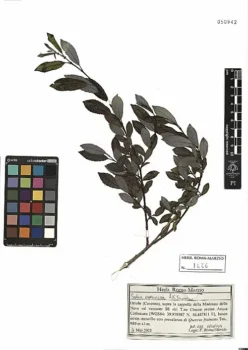
Salix apennina: The Elusive Apennine Willow
If you’ve stumbled across the name Salix apennina in your plant research, you’ve discovered one of botany’s more mysterious willows. This species presents a unique challenge for gardeners: it’s a plant that exists in scientific literature but remains largely undocumented in mainstream horticultural resources.
What We Know (And Don’t Know)
Salix apennina, based on its name, appears to be associated with the Apennine Mountains region. However, unlike its well-documented willow cousins, this species lacks comprehensive information about its characteristics, growing requirements, and garden suitability. This absence of readily available horticultural data makes it a challenging choice for home gardeners.
The Geographic Mystery
While the species name suggests a connection to the Apennine mountain range, specific distribution information remains unclear in accessible gardening resources.
Should You Plant Salix apennina?
Here’s where things get tricky. With limited information available about this species’ growth habits, care requirements, and potential garden performance, it’s difficult to make a solid recommendation either way. For most gardeners, this uncertainty makes Salix apennina a risky choice.
Better Alternatives: Well-Documented Willows
Instead of wrestling with the unknowns of Salix apennina, consider these better-documented willow options:
- Salix purpurea – Purple willow, excellent for erosion control
- Salix babylonica – Weeping willow, dramatic landscape specimen
- Salix caprea – Goat willow, great for wildlife
- Salix nigra – Black willow, native to North America
If You’re Determined to Pursue Salix apennina
Should you decide to hunt down this elusive species, here are some general guidelines based on typical willow behavior:
- Most willows prefer moist to wet soils
- They typically enjoy full sun to partial shade
- Many willows are fast-growing
- They often provide early spring pollen for bees
- Willows generally propagate easily from cuttings
The Bottom Line
While Salix apennina might intrigue plant collectors and botany enthusiasts, the lack of available growing information makes it impractical for most gardeners. Your time and garden space are better invested in well-documented willow species that come with proven track records and clear care instructions.
If you do encounter this species in the wild or through specialized plant networks, approach it with the curiosity of a plant explorer—but perhaps keep your main garden stocked with more reliable choices!