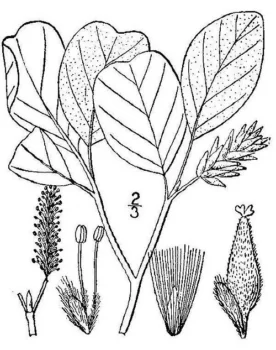
Salix variegata: The Mysterious Willow Worth Investigating
If you’ve stumbled across the name Salix variegata in your plant research, you’re not alone in finding yourself with more questions than answers. This elusive member of the willow family is one of those botanical mysteries that keeps dedicated gardeners scratching their heads – and for good reason!
What We Know About This Enigmatic Willow
Salix variegata, also known by its synonym Salix bockii Seemen, belongs to the diverse willow genus that gardeners worldwide have come to love for their graceful forms and early-season interest. However, unlike its more famous cousins like weeping willow or pussy willow, this particular species keeps a much lower profile in both the wild and in cultivation.
The Challenge of Growing What We Don’t Know
Here’s where things get interesting (and a bit frustrating): reliable information about Salix variegata’s specific characteristics, native range, and growing requirements is remarkably scarce. We don’t know its common name, its exact geographical distribution, or even its basic growth habits. This creates a genuine dilemma for responsible gardeners who want to make informed choices about what to plant.
What This Means for Your Garden
Without clear information about Salix variegata’s:
- Native status and geographical origin
- Invasive potential in different regions
- Specific growing requirements
- Mature size and growth rate
- Hardiness zones
- Wildlife and pollinator benefits
It becomes difficult to recommend this plant with confidence, even if it might be perfectly lovely!
A Better Approach: Choose Known Native Willows
Rather than taking a gamble on this mysterious species, consider exploring the wonderful world of native willows that are well-documented and readily available. These established species offer:
- Proven track records in home landscapes
- Known wildlife and pollinator benefits
- Clear growing requirements and care instructions
- Regional adaptation and resilience
Some excellent native willow alternatives to research for your area might include native pussy willows, shrub willows, or other locally appropriate Salix species that support your regional ecosystem.
If You’re Still Curious About Salix variegata
Should you encounter this plant through a specialized nursery or botanical collection, proceed with caution and plenty of research. Make sure any source can provide:
- Clear information about its origin and collection history
- Confirmation that it’s not invasive in your region
- Specific growing requirements and mature characteristics
- Evidence of responsible propagation practices
The Bottom Line
While the mystery surrounding Salix variegata might intrigue the plant collector in all of us, the responsible approach is to focus on well-documented native species that will thrive in your garden while supporting local wildlife. Sometimes the most exciting plants are the ones growing right in our own backyards – we just need to take the time to discover and appreciate them!
When in doubt, consult with local native plant societies, extension services, or botanical gardens to find the perfect willow species for your specific location and garden goals. Your local ecosystem (and your garden’s success rate) will thank you for it.