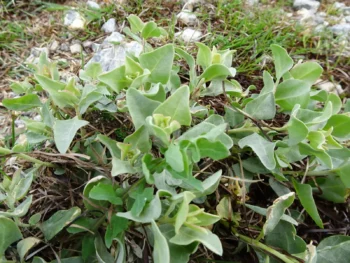
Saltbush: A Drought-Loving Shrub for Challenging Garden Spots
If you’ve been searching for a plant that laughs in the face of drought, salt spray, and poor soil, meet saltbush (Atriplex halimus). This Mediterranean native has made quite a name for itself as a tough-as-nails shrub that thrives where other plants throw in the trowel. But before you rush to plant it, let’s dive into what makes this silver-leafed survivor tick and whether it deserves a spot in your landscape.
What Is Saltbush?
Saltbush is a compact, evergreen shrub that hails from the Mediterranean region and North Africa. True to its name, this plant has an almost supernatural ability to tolerate salty conditions, making it a go-to choice for coastal gardens where salt spray would send most plants packing. Its silvery-gray foliage creates a soft, mounded appearance that adds texture and year-round interest to the landscape.
Native Status and Geographic Distribution
While saltbush thrives in Mediterranean climates, it’s not native to North America. Its natural range spans the Mediterranean basin, including parts of southern Europe, North Africa, and the Middle East, where it grows wild in coastal areas and salt marshes.
Why Consider Saltbush for Your Garden?
Saltbush brings several compelling qualities to challenging garden situations:
- Extreme drought tolerance: Once established, it rarely needs supplemental watering
- Salt tolerance: Perfect for coastal properties or areas with salt spray
- Low maintenance: Requires minimal care and attention
- Year-round interest: Evergreen foliage provides consistent landscape structure
- Compact growth: Typically reaches 3-6 feet tall and wide, making it manageable
Landscape Design Role
Saltbush excels as a foundational planting in Mediterranean-style gardens, where its silver foliage provides a beautiful backdrop for more colorful plants. It works wonderfully in:
- Drought-tolerant landscape designs
- Coastal gardens facing salt spray challenges
- Rock gardens and xeriscaping projects
- Low-maintenance commercial landscapes
Growing Conditions and Care
The beauty of saltbush lies in its simplicity. This plant thrives in USDA hardiness zones 8-11 and prefers:
- Sunlight: Full sun for best growth and foliage color
- Soil: Well-draining soil; tolerates poor, sandy, or alkaline conditions
- Water: Minimal once established; actually prefers dry conditions
- Fertilizer: Generally unnecessary; too much fertility can make growth leggy
Planting and Care Tips
Getting saltbush established is refreshingly straightforward:
- Plant in spring after the last frost date
- Dig a hole as deep as the root ball and twice as wide
- Water regularly the first year to help establish roots
- After establishment, water only during extended dry periods
- Prune lightly in late winter to maintain shape if desired
Wildlife and Pollinator Value
While saltbush won’t attract butterflies like a native wildflower, it does provide some ecological benefits. The plant is wind-pollinated and can offer shelter for small wildlife. However, its wildlife value is limited compared to native alternatives.
Consider Native Alternatives
Before planting saltbush, consider these native alternatives that offer similar drought tolerance and landscape benefits:
- Four O’Clock Bush (Mirabilis multiflora): Native Southwest shrub with drought tolerance
- Coyote Bush (Baccharis pilularis): California native excellent for coastal areas
- Desert Broom (Baccharis sarothroides): Southwestern native with similar form
- Brittlebush (Encelia farinosa): Native desert shrub with silvery foliage
The Bottom Line
Saltbush can be a valuable addition to challenging garden sites where few other plants will thrive. Its extreme drought and salt tolerance make it particularly useful in coastal or arid landscapes. However, as gardeners increasingly focus on supporting native ecosystems, consider whether a native alternative might serve your landscape needs while also supporting local wildlife. If you do choose saltbush, you’ll have a reliable, low-maintenance plant that asks for little and delivers consistent performance year after year.