Salvation Jane: A Colorful but Controversial Garden Choice
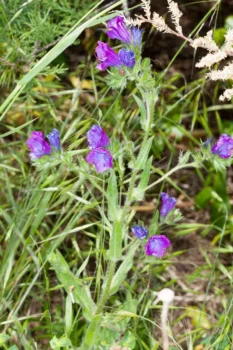
If you’ve ever spotted towering spikes of brilliant blue and purple flowers swaying in the breeze, you might have encountered salvation jane (Echium plantagineum). This eye-catching plant has quite the reputation – beloved by some gardeners for its stunning blooms and easy-going nature, yet viewed with caution by others due to its non-native status and tendency to spread enthusiastically.
What Exactly is Salvation Jane?
Salvation jane is an annual to biennial forb, meaning it’s an herbaceous plant that completes its life cycle in one to two years without developing woody stems. Originally hailing from the Mediterranean region and parts of Europe and North Africa, this member of the borage family has made itself quite at home in various parts of North America.
As a non-native species, salvation jane has been introduced to areas where it reproduces spontaneously in the wild and tends to persist without human intervention. You’ll find established populations across several states and provinces including California, Oregon, New York, Pennsylvania, Massachusetts, Ontario, Manitoba, and Newfoundland.
- Species observed
- No observations
The Visual Appeal
There’s no denying that salvation jane puts on quite a show when it blooms. The plant produces tall, dramatic flower spikes adorned with funnel-shaped flowers that range from deep blue to purple, sometimes with pink tones. These colorful towers can create stunning displays in the landscape, especially when planted in masses or allowed to naturalize in larger areas.
Garden Role and Landscape Use
In garden settings, salvation jane works well in:
- Wildflower gardens where a more naturalized look is desired
- Drought-tolerant landscapes
- Areas where you want height and vertical interest
- Pollinator gardens (though native alternatives are preferred)
Growing Conditions and Care
One reason salvation jane has spread so successfully is its adaptability and low-maintenance nature. Here’s what this hardy plant prefers:
- Sunlight: Full sun exposure for best flowering
- Soil: Well-draining soils; tolerates poor, sandy, or rocky conditions
- Water: Drought tolerant once established; doesn’t require regular watering
- Climate: Generally hardy in USDA zones 7-10, though this can vary by specific location
Planting and Propagation
Salvation jane is remarkably easy to grow from seed, which partly explains its success as a naturalized plant. Seeds can be directly sown in spring or fall, and the plant will often self-seed readily, ensuring future generations without any effort on your part. This self-seeding habit is something to keep in mind if you’re concerned about the plant spreading beyond where you want it.
Pollinator Benefits
The nectar-rich flowers of salvation jane do attract various pollinators, including bees and butterflies. The long blooming period provides a consistent food source throughout the growing season, which can be beneficial for pollinator populations.
Should You Plant Salvation Jane?
This is where things get a bit complicated. While salvation jane is undeniably attractive and easy to grow, its non-native status means it’s not providing the same ecological benefits as native plants would. Native plants have co-evolved with local wildlife and provide more appropriate food sources and habitat.
If you’re drawn to salvation jane’s towering blue flower spikes, consider these native alternatives that offer similar visual appeal:
- Wild bergamot (Monarda species) for purple-blue flowers
- Blue vervain (Verbena hastata) for tall blue flower spikes
- Great blue lobelia (Lobelia siphilitica) for intense blue blooms
- Wild lupine (Lupinus perennis) for tall, colorful flower spikes
The Bottom Line
Salvation jane offers undeniable beauty and requires minimal care, making it appealing to gardeners seeking low-maintenance color. However, when planning your garden, consider prioritizing native plants that support local ecosystems more effectively. If you do choose to grow salvation jane, be mindful of its self-seeding nature and consider deadheading spent flowers to prevent unwanted spread.
Remember, the most rewarding gardens are those that balance personal preferences with environmental responsibility – and there are plenty of native options that can give you that same wow factor while supporting your local ecosystem.