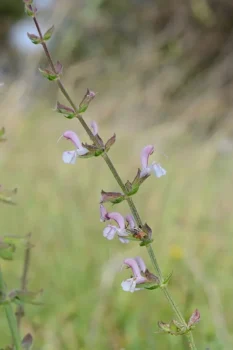
The Mystery of Salvia eigii: When Plant Names Lead Nowhere
Have you ever stumbled across a plant name that seems to exist in a botanical black hole? Well, meet Salvia eigii – a name that’s proving to be quite the puzzle in the gardening world. If you’ve been searching for information about this particular sage species, you’re probably feeling a bit frustrated right about now. Let’s dive into why that might be happening and what you can do about it.
The Curious Case of the Missing Salvia
Here’s the thing about Salvia eigii: it’s essentially a ghost in the plant world. Despite extensive searching through major botanical databases, horticultural references, and scientific literature, this particular species name doesn’t appear to be recognized by the botanical community. This could mean a few different things:
- The name might be a misidentification or misspelling of another Salvia species
- It could be an unpublished or invalid botanical name
- It might be an extremely rare species that hasn’t made it into common databases yet
What This Means for Gardeners
If you’ve come across this name somewhere – perhaps on a plant tag, in a catalog, or online – it’s worth doing a bit of detective work. The Salvia genus is absolutely massive, with over 900 species worldwide, so it’s easy for names to get mixed up or misapplied.
Before you get too disappointed about not being able to grow this mysterious plant, consider that you might actually be looking for a different Salvia species altogether. Many salvias have similar-sounding names or may be sold under various synonyms.
Better Alternatives: Proven Salvia Species
Instead of chasing this botanical unicorn, why not consider some well-established native Salvia species that will definitely thrive in your garden? Here are some fantastic options:
- Salvia greggii (Autumn Sage) – A drought-tolerant beauty with tiny, colorful flowers
- Salvia leucantha (Mexican Bush Sage) – Features stunning purple and white flower spikes
- Salvia argentea (Silver Sage) – Known for its incredibly soft, silvery leaves
- Salvia officinalis (Common Sage) – The culinary herb that’s also gorgeous in the garden
How to Avoid Plant Name Mix-ups
To prevent future confusion with plant names, here are some helpful tips:
- Always double-check botanical names in reliable sources like botanical gardens or university databases
- When buying plants, purchase from reputable nurseries that verify their plant identifications
- Keep photos and detailed notes about any plants you’re trying to identify
- Join local gardening groups where experienced gardeners can help with plant identification
The Takeaway
While Salvia eigii remains a mystery, don’t let that discourage you from exploring the wonderful world of salvias. These plants are generally easy to grow, attract pollinators like crazy, and come in an amazing variety of colors, sizes, and forms. Sometimes the journey of plant discovery leads us to even better options than what we originally sought!
If you have any information about Salvia eigii or believe you’ve encountered this plant, consider reaching out to your local botanical garden or extension office. Who knows? You might be holding a piece of the puzzle that helps solve this botanical mystery.