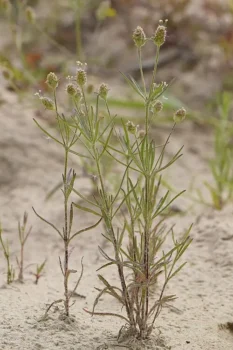
Sand Plantain: An Unassuming Annual for Specialized Gardens
Meet sand plantain (Plantago arenaria), a humble little annual that might not win any beauty contests but has carved out its own niche in the plant world. This unassuming forb—that’s botanist-speak for a non-woody flowering plant—belongs to the plantain family and brings some interesting qualities to the table, even if it’s not exactly what you’d call a showstopper.
What Exactly Is Sand Plantain?
Sand plantain is a small annual herb that typically grows as a low-growing forb. Don’t let the name fool you—this isn’t the banana-like plantain you might be thinking of! Instead, it’s part of a completely different plant family known for their simple leaves and spike-like flower clusters.
You might also encounter this plant listed under several synonyms in older gardening references, including Plantago indica, Plantago psyllium, or Plantago scabra. These name changes happen as botanists refine their understanding of plant relationships—think of it as plants getting their family trees sorted out!
Where Does Sand Plantain Call Home?
Here’s where things get interesting: sand plantain isn’t actually native to North America. This little wanderer originally comes from Mediterranean regions and parts of Europe and Asia. However, it has made itself quite at home across much of the continent, establishing populations in numerous states and provinces including British Columbia, Manitoba, Ontario, Quebec, and many U.S. states from California to Maine.
- Species observed
- No observations
The plant has proven remarkably adaptable, reproducing on its own without human help and persisting in wild settings across this broad range.
Should You Grow Sand Plantain?
This is where sand plantain gets a bit tricky to recommend. While it’s not considered invasive or harmful, it’s also not native to North American ecosystems. If you’re passionate about supporting local wildlife and native plant communities, you might want to consider native alternatives that provide similar benefits.
That said, sand plantain does have its place in certain specialized gardens:
- Herb gardens focused on medicinal plants
- Historical or ethnobotanical collections
- Low-maintenance, naturalized areas
- Gardens emphasizing drought-tolerant plants
Growing Conditions and Care
If you do decide to grow sand plantain, you’ll find it refreshingly easy to please. This tough little annual has some specific preferences that make it quite low-maintenance:
Soil: Sand plantain lives up to its name by preferring sandy, well-draining soils. It’s not picky about soil fertility and actually seems to thrive in less-than-perfect conditions.
Water needs: Based on its wetland status across different regions, sand plantain is primarily an upland plant that rarely occurs in wetlands. This makes it quite drought-tolerant once established, though it will need some moisture to get started.
Light requirements: Full sun is preferred, though it can tolerate some light shade.
Climate zones: As an annual, sand plantain can potentially grow in USDA hardiness zones 3-10, depending on local growing conditions and timing of frost.
Planting and Maintenance Tips
Growing sand plantain is fairly straightforward:
- Direct seed in spring after the danger of hard frost has passed
- Scatter seeds lightly over prepared soil and barely cover
- Keep soil lightly moist until germination occurs
- Once established, the plants need minimal care
- Expect the plants to self-seed for future years
Wildlife and Pollinator Value
While sand plantain does produce small flowers that may attract some tiny insects, its pollinator benefits are fairly minimal compared to showier native alternatives. The plant’s small, inconspicuous flower spikes aren’t exactly pollinator magnets.
Consider Native Alternatives
If you’re interested in supporting local ecosystems, consider exploring native plantain species or other native forbs that might serve similar roles in your garden. Native plants typically provide better support for local wildlife, including specialized relationships with native pollinators and other beneficial insects.
The Bottom Line
Sand plantain is one of those plants that’s neither hero nor villain in the garden world. It’s a quiet, unassuming annual that does its own thing without causing problems, but also without providing significant ecological benefits to North American wildlife. Whether you choose to grow it really depends on your specific gardening goals and philosophy. If you’re drawn to its simplicity and drought tolerance, it can certainly earn a spot in the right garden setting.