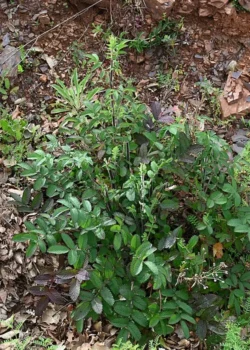
Sanguisorba hybrida: A Mysterious Member of the Burnet Family
If you’ve stumbled across the name Sanguisorba hybrida in your plant research, you’re not alone in wondering what exactly this plant is all about. This member of the Sanguisorba genus (commonly known as burnets) presents something of a botanical puzzle, with limited documentation making it one of the more mysterious plants you might encounter.
What We Know (And Don’t Know)
Sanguisorba hybrida, also known by the synonym Sanguisorba agrimonoides, belongs to the diverse burnet family. However, unlike its well-documented cousins like Great Burnet or Salad Burnet, this particular species remains elusive in terms of detailed horticultural information.
The lack of comprehensive data about this plant raises some important questions for gardeners. Without clear information about its native range, growth habits, or ecological requirements, it becomes challenging to make informed decisions about cultivation.
Geographic Distribution
The native range and current distribution of Sanguisorba hybrida remains unclear from available botanical resources. This uncertainty about its geographic origins makes it difficult to determine appropriate growing regions or assess its potential impact on local ecosystems.
Should You Grow Sanguisorba hybrida?
Here’s where things get tricky. The limited available information about this plant makes it difficult to provide confident growing recommendations. Here are some considerations:
- Unknown native status means we can’t determine if it supports local wildlife
- Unclear growth requirements make successful cultivation uncertain
- Lack of invasive status information creates potential ecological concerns
- Limited availability suggests it’s not commonly cultivated
Better Alternatives
Given the uncertainty surrounding Sanguisorba hybrida, you might want to consider well-documented native burnet species instead:
- Great Burnet (Sanguisorba officinalis) – if native to your region
- American Burnet (Sanguisorba canadensis) – for North American gardens
- Salad Burnet (Sanguisorba minor) – where appropriate and non-invasive
If You’re Determined to Try It
Should you encounter Sanguisorba hybrida from a reputable source, approach with caution:
- Verify the plant’s identity with botanical experts
- Start with container growing to observe its behavior
- Monitor for any aggressive spreading
- Connect with local native plant societies for guidance
- Consider it experimental rather than a reliable garden addition
The Bottom Line
While the mystery surrounding Sanguisorba hybrida might appeal to adventurous gardeners, the lack of reliable information makes it a risky choice for most landscapes. Your garden efforts are better invested in well-documented native plants that provide known benefits to local wildlife and ecosystems.
If you’re drawn to the burnet family, stick with species that have clear provenance, established growing requirements, and known ecological benefits. Your local pollinators and wildlife will thank you for choosing plants with proven track records over botanical question marks.