Sanguisorba tenuifolia: The Delicate Asian Burnet Worth Considering
If you’re looking for a plant that brings an airy, romantic feel to your garden without being too fussy about care, Sanguisorba tenuifolia might just capture your heart. This charming perennial, also known by its synonym Sanguisorba tenuifolia Fisch. ex Link var. alba Trautv. & C.A. Mey., offers a delicate beauty that’s hard to resist once you see those graceful flower spikes dancing in the breeze.
What Makes This Plant Special?
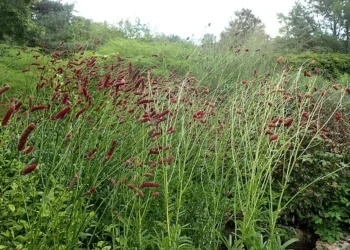
Sanguisorba tenuifolia stands out with its bottlebrush-like white flower spikes that seem to float above fine, compound foliage. The flowers appear on slender, wiry stems that sway gracefully with even the slightest breeze, creating movement and texture in the garden that’s simply mesmerizing. It’s the kind of plant that adds that something special factor to plantings without screaming for attention.
Where Does It Come From?
This lovely perennial hails from Eastern Asia, with its native range spanning China, Korea, and parts of Russia. While it’s not native to North American gardens, it has found a happy home in many temperate gardens around the world.
Is It Right for Your Garden?
Sanguisorba tenuifolia thrives in USDA hardiness zones 4-8, making it suitable for many North American gardens. Here’s what makes it garden-worthy:
- Low maintenance once established
- Attracts beneficial pollinators like bees and butterflies
- Excellent for cut flower arrangements
- Creates beautiful naturalistic effects
- Tolerates a range of growing conditions
However, since this isn’t a native plant, you might also consider exploring native alternatives like our indigenous Sanguisorba species or other native plants that offer similar aesthetic appeal and better support local ecosystems.
Perfect Garden Spots
This graceful perennial shines in:
- Cottage gardens where its informal charm feels right at home
- Naturalistic borders and meadow-style plantings
- Perennial borders where it can weave between other plants
- Cut flower gardens for those dreamy bouquets
Growing Sanguisorba tenuifolia Successfully
The good news? This plant isn’t particularly demanding. Here’s how to keep it happy:
Soil and Location: Plant in moist, well-drained soil. It’s quite adaptable but performs best when it doesn’t dry out completely. Full sun to partial shade works well, though it appreciates some afternoon shade in hotter climates.
Watering: Regular moisture is key, especially during the growing season. Once established, it can handle some drought, but consistent moisture keeps it looking its best.
Maintenance: Deadhead spent flowers to encourage continued blooming and prevent excessive self-seeding. In late fall or early spring, cut back the previous year’s growth to make room for new shoots.
A Few Things to Keep in Mind
While Sanguisorba tenuifolia can be a lovely addition to the right garden, remember that choosing native plants when possible helps support local wildlife and ecosystems more effectively. If you do decide to grow this Asian beauty, consider pairing it with native companions that can provide additional benefits to local pollinators and wildlife.
This delicate perennial offers gardeners a chance to add ethereal beauty and gentle movement to their landscapes. With its easy-going nature and charming flowers, it’s certainly worth considering – especially if you’re creating a garden that celebrates plants from around the world while being mindful of ecological impact.