Sasswood: The African Giant That’s Not for Your Backyard
If you’ve stumbled across the name sasswood in your plant research, you might be wondering if this African native could make a striking addition to your landscape. Well, hold onto your gardening gloves – this is one tree that comes with some serious considerations before you even think about planting it!
What Exactly Is Sasswood?
Sasswood (Erythrophleum suaveolens) is a magnificent tropical tree native to the rainforests of West and Central Africa. You might also see it listed under its scientific synonym, Erythrophleum guineense. This impressive specimen can tower over 100 feet tall in its natural habitat, creating a dramatic canopy that’s both beautiful and commanding.
Where Does Sasswood Come From?
This tree calls the tropical rainforests of West and Central Africa home, thriving in countries like Ghana, Ivory Coast, Cameroon, Gabon, and the Democratic Republic of Congo. In these lush environments, sasswood plays an important ecological role in the forest canopy.
The Reality Check: Why Most Gardeners Should Think Twice
Before you get too excited about adding this African beauty to your landscape, let’s talk about some pretty significant limitations:
- Climate requirements: Sasswood only thrives in USDA zones 11-12, meaning it’s really only suitable for extreme southern Florida, Hawaii, or similar tropical climates
- Size matters: This tree doesn’t do small – we’re talking about a potential 100+ foot giant that needs serious space
- Toxicity concerns: Here’s the big one – sasswood contains highly toxic alkaloids that make it extremely dangerous. This isn’t a tree you want around children, pets, or really anywhere near your home
- Specialized care: Growing sasswood successfully requires professional expertise and tropical rainforest-like conditions
What About Its Looks?
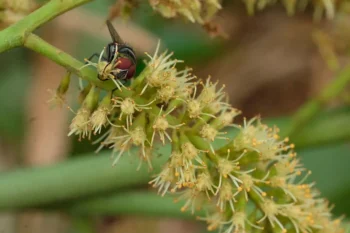
If you could grow it safely, sasswood does have aesthetic appeal. The tree produces compound leaves and clusters of small, yellowish flowers that attract pollinators in its native environment. However, the beauty comes with those serious safety concerns we mentioned.
Growing Conditions (If You’re Still Considering It)
Should you happen to live in the right climate and have the expertise to handle a potentially dangerous tree, sasswood needs:
- Consistent tropical temperatures
- High humidity levels
- Rich, well-draining soil similar to rainforest floor conditions
- Plenty of space – and we mean PLENTY
- Professional guidance due to toxicity
The Bottom Line for Home Gardeners
While sasswood is undoubtedly an impressive tree in its natural African habitat, it’s not practical or safe for most home landscapes. The combination of extreme climate requirements, massive size, and serious toxicity concerns make this one better left to botanical institutions and specialized tropical gardens with proper safety protocols.
Better Alternatives for Your Garden
If you’re drawn to the idea of a large, impressive tree, consider native alternatives for your region instead. Large native oaks, maples, or other indigenous species can provide similar visual impact while supporting local wildlife and ecosystems – without the safety concerns!
Remember, the best garden additions are those that work harmoniously with your local environment and lifestyle. Sometimes the most exotic isn’t the most practical, and that’s perfectly okay!