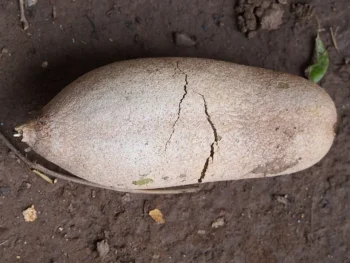
The Sausage Tree: A Quirky African Beauty for Warm Climate Gardens
If you’ve ever wondered what it would look like if a tree decided to grow actual sausages, meet the sausage tree (Kigelia africana). This conversation-starting tree gets its amusing common name from its distinctive fruits that dangle like enormous brown sausages from sturdy branches. While it might sound like something from a fairy tale, this is a real tree that can make a bold statement in the right garden setting.
What Makes the Sausage Tree Special?
The sausage tree is a perennial woody plant that grows as a single-trunked tree, typically reaching heights greater than 13-16 feet, though it can grow much taller in ideal conditions. What really sets this tree apart are its remarkable fruits – massive, sausage-shaped pods that can grow up to 2 feet long and weigh as much as 15 pounds! These unusual fruits hang from long stalks and create quite the spectacle.
But the show doesn’t stop at the fruits. The tree produces large, trumpet-shaped flowers that are deep reddish-brown in color. These dramatic blooms open at night and emit a rather unpleasant odor that attracts their natural pollinators – bats and various nocturnal insects.
Where Does It Come From?
Originally native to tropical Africa’s savannas and riverine forests, stretching from Senegal to South Africa, the sausage tree has found its way to other warm regions around the world. In the United States, you’ll find it growing in Puerto Rico, where it has naturalized and reproduces on its own in the wild.
- Species observed
- No observations
Should You Plant a Sausage Tree?
The sausage tree can be an interesting addition to the right garden, but it’s definitely not for everyone. Here are some things to consider:
The Good:
- Incredible conversation starter and unique focal point
- Provides excellent shade with its broad, spreading canopy
- Supports nocturnal wildlife like bats
- Relatively low maintenance once established
The Challenging:
- Requires enormous space – can spread 30-40 feet wide
- Those heavy fruits can be dangerous when they fall
- Night-blooming flowers have an unpleasant smell
- Only suitable for USDA zones 10-12 (very frost-sensitive)
- Not native to most areas where it’s grown
Growing Your Sausage Tree Successfully
If you’ve decided this unusual tree is right for your space, here’s how to help it thrive:
Location and Spacing
Choose your location carefully! This tree needs plenty of room to spread – think 30-40 feet in all directions. Plant it away from structures, walkways, and parking areas where falling fruits could cause damage or injury. Full sun to partial shade works best.
Soil and Water
The sausage tree prefers well-draining soil but isn’t too picky about soil type. Regular watering is important, especially during dry periods, but avoid waterlogged conditions.
Climate Considerations
This is strictly a warm-climate tree, thriving in USDA hardiness zones 10-12. If temperatures drop below freezing, your sausage tree won’t survive. In marginal areas, you might be able to grow it in a large container and move it indoors during cold snaps, though this becomes impractical as the tree matures.
Maintenance
Once established, sausage trees are relatively low-maintenance. You may need to prune occasionally to maintain shape or remove damaged branches. Be prepared to clean up fallen fruits regularly – they’re not just heavy, but they can create quite a mess!
Native Alternatives to Consider
While the sausage tree can be a fascinating addition to appropriate gardens, you might also consider native alternatives that provide similar benefits with better local ecosystem support. Native trees offer food and habitat for local wildlife while requiring less water and maintenance once established. Research native shade trees in your specific region that might offer the dramatic presence you’re looking for.
The Bottom Line
The sausage tree is undeniably unique and can be a spectacular addition to large, warm-climate gardens where space isn’t an issue. Its unusual fruits and impressive size make it a true conversation piece. However, its space requirements, climate limitations, and non-native status mean it’s not the right choice for most gardeners. If you have the perfect spot and climate for it, this quirky tree can be a delightfully unusual addition to your landscape – just be prepared for a lot of questions from curious visitors!