Sauvagesia: A Small Tropical Ground Cover Worth Knowing About
If you’ve stumbled across the name sauvagesia in your gardening adventures, you might be wondering what exactly this little plant is all about. While it’s not a household name like marigolds or petunias, sauvagesia has quietly made itself at home in some warm-climate gardens, particularly in Hawaii and Puerto Rico.
What Exactly Is Sauvagesia?
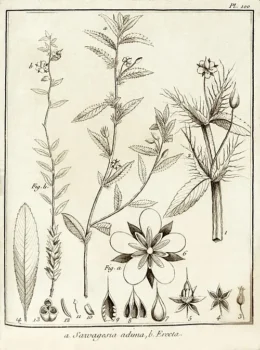
Sauvagesia is a small forb (that’s garden-speak for a non-woody plant) that can be either annual or perennial, depending on growing conditions. Think of it as a delicate groundcover with simple oval leaves and tiny pink or white flowers that pop up throughout the growing season. It’s the kind of plant that doesn’t demand attention but adds a subtle charm to naturalized areas.
Where Does It Come From?
Originally from tropical South America, particularly Brazil, sauvagesia has traveled far from its native home. Today, you’ll find it growing in Hawaii and Puerto Rico, where it has established itself as a non-native species that reproduces on its own in the wild.
- Species observed
- No observations
Should You Plant Sauvagesia in Your Garden?
Here’s where things get interesting. While sauvagesia isn’t necessarily a bad plant, it’s important to consider that it’s not native to North American ecosystems. As responsible gardeners, we always want to think about the bigger picture when choosing plants for our landscapes.
The Case for Sauvagesia:
- Low maintenance once established
- Attractive small flowers that draw pollinators
- Works well as a ground cover in warm climates
- Adapts to various light conditions
Things to Consider:
- It’s non-native, so it won’t provide the same ecological benefits as native plants
- May not support local wildlife as effectively as indigenous species
- Could potentially spread beyond intended garden areas
Growing Conditions and Care
If you’re in USDA hardiness zones 9-11 and decide to give sauvagesia a try, it’s relatively straightforward to grow. This little plant appreciates moist, well-draining soil and can handle anything from partial shade to full sun, though it seems happiest with some protection from intense afternoon heat.
The key to success is consistent moisture—not soggy, but not bone dry either. Think of it like that friend who’s pretty easy-going but has one or two specific preferences. Once you’ve got the watering figured out, sauvagesia pretty much takes care of itself.
A Gentle Suggestion: Consider Native Alternatives
While sauvagesia might work in your garden, consider exploring native ground cover options first. Native plants are like the ultimate local cuisine—they’re perfectly adapted to your area’s climate, soil, and wildlife. They’ll support local pollinators, birds, and other critters in ways that non-native plants simply can’t match.
Check with your local native plant society or extension office to discover indigenous ground covers that might give you a similar look while supporting your local ecosystem.
The Bottom Line
Sauvagesia is one of those plants that falls into the not terrible, but not ideal category. If you already have it in your garden, there’s no need to panic—just keep an eye on it to make sure it’s not spreading where you don’t want it. But if you’re starting fresh, why not explore some native alternatives that could give you that same delicate, naturalized look while supporting your local environment?
After all, the best gardens are the ones that work with nature, not against it. And sometimes that means saying thanks, but no thanks to perfectly nice plants in favor of those that truly belong.