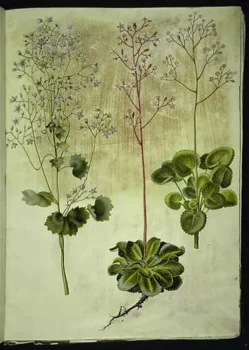
Saxifraga ×geum: The Mysterious Hybrid Saxifrage
If you’ve stumbled across the name Saxifraga ×geum in your plant research, you’re looking at one of botany’s more enigmatic characters. This perennial hybrid saxifrage carries the telltale × symbol that marks it as a cross between two saxifrage species, but detailed information about this particular hybrid is surprisingly scarce in horticultural circles.
What We Do Know
Saxifraga ×geum is classified as a perennial forb, which simply means it’s a non-woody herbaceous plant that comes back year after year. Like other members of the saxifrage family, it likely forms low-growing rosettes of leaves. The plant also goes by the synonym Micranthes geum, which you might encounter in older botanical references.
The Mystery of Its Origins
Here’s where things get interesting (and a bit frustrating for plant enthusiasts): the native status and geographical distribution of Saxifraga ×geum remain undefined in most standard references. This lack of clear information suggests that either this hybrid occurs rarely in nature, has limited distribution, or hasn’t been extensively studied and documented in horticultural literature.
Should You Grow This Plant?
The honest answer is that it’s difficult to make a strong recommendation either way without more detailed growing information. If you’re specifically interested in saxifrages for your garden, you might want to consider these alternatives:
- Research well-documented native saxifrage species in your region
- Consult with local botanical gardens or native plant societies
- Look for saxifrage species with clear horticultural guidance and known garden performance
A Note for Plant Collectors
If you do encounter Saxifraga ×geum through specialty nurseries or plant exchanges, proceed with caution and curiosity. Since detailed growing requirements aren’t well-established, you’d essentially be conducting your own garden trial. This could be exciting for experienced gardeners who enjoy experimenting with unusual plants, but it’s probably not the best choice for beginners looking for reliable performers.
The Bigger Picture
This plant serves as a good reminder that not every botanical name corresponds to a readily available or well-understood garden plant. The world of plant nomenclature includes many hybrids, varieties, and forms that exist primarily in scientific literature rather than in cultivation.
For gardeners interested in saxifrages, focusing on well-documented species native to your region will likely provide better results and clearer growing guidance. Your local extension office or native plant society can help you identify saxifrage species that are both regionally appropriate and garden-worthy.
Final Thoughts
While Saxifraga ×geum remains something of a botanical puzzle, its very existence reminds us of the incredible diversity within plant families and the ongoing work botanists do to understand plant relationships. Sometimes the most interesting plants are the ones that keep a few secrets!