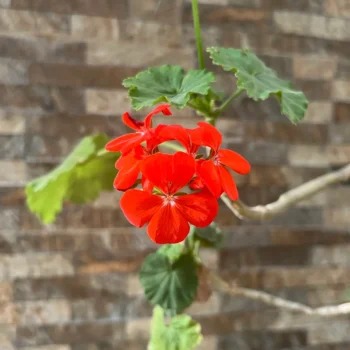
Scarlet Geranium: A Bright Non-Native Addition to Your Garden
If you’re looking for a splash of vibrant red in your garden, the scarlet geranium (Pelargonium inquinans) might catch your eye. This cheerful perennial herb brings bold color and easy-care appeal to gardens, though it’s worth understanding both its benefits and its non-native status before adding it to your landscape.
What is Scarlet Geranium?
Scarlet geranium is a non-native perennial herb that has made itself at home in California. Originally from South Africa, this plant has established itself in the wild and reproduces without human assistance. As a forb herb, it’s a vascular plant without significant woody tissue, featuring perennating buds at or below ground level that help it return year after year.
Where Does It Grow?
In the United States, scarlet geranium has naturalized primarily in California, where the Mediterranean-like climate suits its preferences. While it’s considered introduced rather than native, it has adapted well to local conditions.
- Species observed
- No observations
Garden Appeal and Characteristics
The scarlet geranium earns its common name from its stunning clusters of bright red flowers that create eye-catching displays. The plant features:
- Brilliant scarlet-red flower clusters
- Rounded, somewhat succulent leaves
- Compact, bushy growth habit
- Long blooming period
- Drought tolerance once established
Ideal Growing Conditions
Scarlet geranium thrives in USDA hardiness zones 9-11, though it can be grown as an annual in cooler regions. This adaptable plant prefers:
- Full sun to partial shade
- Well-draining soil
- Minimal water once established
- Protection from hard frost
Garden Design and Landscape Use
This versatile plant works well in several garden settings:
- Container gardens and pots
- Rock gardens
- Mediterranean-style landscapes
- Border plantings
- Areas where bright color is desired
Planting and Care Tips
Growing scarlet geranium is refreshingly straightforward:
- Plant in spring after frost danger passes
- Ensure good drainage to prevent root rot
- Water regularly during establishment, then reduce frequency
- Deadhead spent flowers to encourage continued blooming
- In colder zones, bring containers indoors or treat as annual
- Minimal fertilization needed – too much can reduce flowering
Wildlife and Pollinator Considerations
While scarlet geranium may attract some pollinators with its bright flowers, it doesn’t provide the specialized benefits that native plants offer to local wildlife and native pollinators. The plant’s non-native status means it hasn’t co-evolved with local ecosystems.
Should You Plant Scarlet Geranium?
Scarlet geranium can be an attractive, low-maintenance addition to gardens, especially in containers or Mediterranean-style landscapes. However, since it’s non-native, consider balancing it with native alternatives that support local wildlife.
For California gardeners seeking native alternatives with similar appeal, consider:
- California fuchsia (Epilobium canum) for red flowers and pollinator benefits
- Red monkey flower (Diplacus aurantiacus) for bright blooms
- Cardinal flower (Lobelia cardinalis) for stunning red spikes
The Bottom Line
Scarlet geranium offers reliable color and easy care for gardeners in suitable climates. While it’s not native, it’s not considered invasive or problematic. If you choose to grow it, consider pairing it with native plants to create a balanced garden that’s both beautiful and beneficial to local wildlife. Remember, the best gardens often combine aesthetic appeal with ecological responsibility.