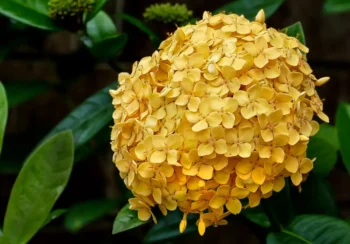
Scarlet Jungleflame: A Tropical Beauty for Warm Climate Gardens
If you’re looking to add a splash of fiery color to your warm-climate garden, scarlet jungleflame (Ixora coccinea) might just be the showstopper you need. This eye-catching shrub brings tropical flair with its brilliant red-orange blooms, but there are a few things every gardener should know before adding it to their landscape.
What Is Scarlet Jungleflame?
Scarlet jungleflame is a perennial flowering shrub that typically grows as a multi-stemmed woody plant reaching 4 to 5 meters (13 to 16 feet) in height, though it’s often kept smaller through pruning in garden settings. Originally hailing from Southeast Asia, particularly India and Sri Lanka, this non-native species has found its way into gardens across warmer regions of the United States.
The plant produces dense clusters of small, tubular flowers in brilliant shades of red and orange, creating a stunning display against its glossy, dark green foliage. These blooms appear throughout the warm months, making it a reliable source of color in the landscape.
Where Does It Grow?
In the United States, you’ll find scarlet jungleflame thriving in Florida, Guam, Palau, Puerto Rico, and the Virgin Islands. As a non-native species, it has established itself in these warm, humid climates where it can reproduce and persist without human intervention.
- Species observed
- No observations
Garden Appeal and Landscape Role
Scarlet jungleflame serves multiple roles in warm-climate gardens:
- Ornamental focal point: Its vibrant blooms make it perfect as a specimen plant or centerpiece
- Hedge material: Can be pruned into formal or informal hedges
- Foundation planting: Works well planted near buildings for year-round structure
- Container gardening: Suitable for large pots on patios or terraces
Pollinator and Wildlife Benefits
The tubular flowers of scarlet jungleflame are particularly attractive to butterflies and hummingbirds. The nectar-rich blooms provide an important food source for these pollinators, making it a valuable addition to wildlife-friendly gardens in appropriate climates.
Growing Conditions and Care
Scarlet jungleflame is relatively easy to grow if you can provide the right conditions:
Climate Requirements: This tropical native thrives in USDA hardiness zones 9-11 and is quite frost-tender. It needs consistently warm temperatures and high humidity to perform its best.
Light and Soil: Plant in full sun to partial shade in well-draining soil. While it can tolerate various soil types, it prefers slightly acidic to neutral pH levels.
Watering: Keep soil consistently moist but not waterlogged. Regular watering is especially important during dry periods and the growing season.
Maintenance: Prune after flowering to maintain shape and encourage new growth. Regular fertilization during the growing season will promote better flowering.
Should You Plant Scarlet Jungleflame?
While scarlet jungleflame can be a gorgeous addition to appropriate gardens, it’s worth considering native alternatives that provide similar benefits while supporting local ecosystems. If you live in its suitable growing zones and appreciate its tropical aesthetic, it can be a rewarding garden plant when properly maintained.
However, before planting, consider exploring native flowering shrubs in your area that might offer similar ornamental value while better supporting local wildlife and requiring less maintenance. Your local native plant society or extension office can suggest beautiful native alternatives that thrive in your specific region.
If you do choose to grow scarlet jungleflame, enjoy its spectacular blooms while being mindful of its non-native status and ensuring it doesn’t spread beyond your intended planting area.