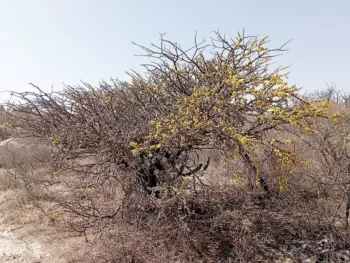
Schaffner’s Wattle: A Lesser-Known Native Acacia
If you’re on the hunt for unique native plants that fly under the radar, you might have stumbled across Schaffner’s wattle (Vachellia schaffneri). This intriguing member of the legume family has a bit of mystery surrounding it – and that’s part of what makes it so fascinating for adventurous gardeners.
What is Schaffner’s Wattle?
Schaffner’s wattle belongs to the genus Vachellia, which was previously classified under Acacia. You might still see it listed under its former scientific name, Acacia schaffneri, in older references. This taxonomic shuffle happened as botanists worked to better organize the sprawling acacia family tree.
Like other members of the wattle family, this plant is part of the legume group, which means it has the superpower of fixing nitrogen in the soil – basically, it’s like having a natural fertilizer factory right in your garden!
Where Does It Come From?
Schaffner’s wattle appears to be native to Mexico and potentially parts of the southwestern United States, though specific distribution information is surprisingly scarce in the horticultural world. This suggests it might be a regional specialty that hasn’t made it into mainstream gardening circles yet.
The Gardening Dilemma: To Plant or Not to Plant?
Here’s where things get interesting – and a bit frustrating. While Schaffner’s wattle sounds like it could be a wonderful addition to native plant gardens, there’s surprisingly little detailed information available about its specific growing requirements, size, or garden performance.
What We Do Know
Based on its family relationships and general geographic origin, we can make some educated guesses:
- As a legume, it likely prefers well-draining soils
- Being from arid regions, it probably has good drought tolerance once established
- Most wattles produce clusters of small, often fragrant flowers
- It may provide some wildlife benefits, as many acacias do
The Bottom Line for Gardeners
If you’re considering Schaffner’s wattle for your garden, you’d be entering relatively uncharted territory in terms of documented horticultural experience. This could be exciting if you’re the experimental type, but frustrating if you prefer plants with well-established growing guides.
Your best bet would be to:
- Contact local native plant societies or botanical gardens in areas where it’s known to grow naturally
- Look for specialized native plant nurseries that might have experience with uncommon species
- Consider better-documented native alternatives in the meantime
Native Alternatives to Consider
While you’re hunting for information on Schaffner’s wattle, you might want to explore other native acacias or wattles that are better established in cultivation. Many regions have their own native leguminous trees and shrubs that can provide similar benefits with more predictable results.
The world of native plants is full of hidden gems waiting to be rediscovered. Schaffner’s wattle might just be one of them – we just need more gardeners willing to be the pioneers!