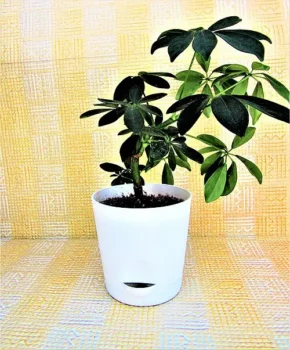
Schefflera: The Tropical Umbrella Plant That’s Not From Around Here
If you’ve ever admired those glossy, umbrella-like leaves in a tropical garden or even as a houseplant, you’ve likely encountered a schefflera. These eye-catching shrubs have made themselves quite at home in warm climates across the United States, despite being originally from far-off places like Southeast Asia and Australia.
What Exactly Is a Schefflera?
Schefflera is a perennial shrub that typically grows as a multi-stemmed woody plant, usually staying under 13-16 feet tall. Think of it as nature’s umbrella stand – the leaves are arranged in clusters that radiate out like spokes, creating that distinctive tropical look that many gardeners find irresistible.
Where You’ll Find Them Growing Wild
While scheffleras aren’t native to the United States, they’ve established themselves in several warm regions including Florida, Hawaii, Puerto Rico, the U.S. Virgin Islands, and even some U.S. Minor Outlying Islands. In Hawaii particularly, these plants have become quite the naturalized residents, reproducing on their own without any human help.
- Species observed
- No observations
The Good, The Bad, and The Leafy
Let’s be honest about what you’re getting into with scheffleras. On the plus side, they’re undeniably attractive with their glossy, palmate leaves that create instant tropical vibes. They’re also relatively low-maintenance once established, making them appealing to gardeners who want that lush look without constant fussing.
However, since they’re not native plants, they don’t provide the same ecological benefits as indigenous species. Their flowers tend to be small and not particularly exciting to local pollinators, and they don’t support native wildlife in the way that native plants do.
Growing Schefflera Successfully
If you decide to grow schefflera, here’s what these tropical transplants prefer:
- Climate: USDA hardiness zones 9b-12 (they really don’t like cold weather)
- Light: Partial shade to full sun – they’re pretty adaptable
- Soil: Well-draining soil is essential; soggy feet will make them unhappy
- Water: Regular watering, but let the soil dry out between waterings
- Care: Occasional pruning to maintain shape and size
Consider Native Alternatives
While scheffleras can be grown successfully in appropriate climates, consider exploring native plants that provide similar aesthetic appeal while supporting local ecosystems. Depending on your region, native alternatives might include indigenous shrubs with interesting leaf patterns or tropical-looking foliage that will attract local wildlife and pollinators.
The Bottom Line
Scheffleras are attractive, relatively easy-care plants that can add tropical flair to warm-climate gardens. Just remember that as non-native plants, they’re more like beautiful visitors than true community members in your local ecosystem. If you do choose to grow them, enjoy their glossy leaves and umbrella-like charm, but also consider adding some native plants to the mix to keep your local wildlife happy too.