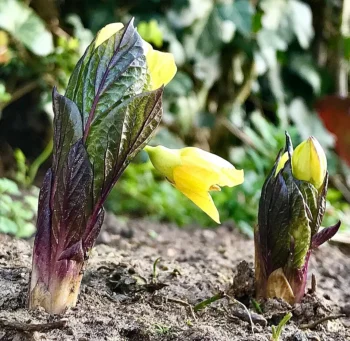
Scopolia: An Unusual Early Spring Bloomer for Shade Gardens
If you’re looking for something a little different to brighten up your shady spots in early spring, you might want to get acquainted with scopolia. This quirky perennial belongs to the nightshade family and offers an interesting alternative to more common spring bloomers, though it comes with some important considerations.
What is Scopolia?
Scopolia is a perennial forb – essentially a non-woody herbaceous plant that comes back year after year. Think of it as nature’s way of creating a plant that’s somewhere between a wildflower and a small shrub, but without the woody stems. These plants have a fascinating habit of emerging early in spring before many other plants have even thought about waking up from their winter nap.
Native Status and Distribution
Here’s where things get interesting: scopolia isn’t actually native to North America. It’s what botanists call a naturalized species – meaning it was introduced from elsewhere (likely Europe or Asia) but has managed to establish itself and reproduce on its own in the wild. In North America, it’s currently found growing in Quebec, where it seems to have found conditions to its liking.
- Species observed
- No observations
Should You Grow Scopolia?
The answer isn’t entirely straightforward. On one hand, scopolia offers some unique benefits:
- Early spring blooms when little else is flowering
- Thrives in shade where many other plants struggle
- Low maintenance once established
- Interesting bell-shaped flowers that add novelty to the garden
However, there are some important considerations:
- As a non-native species, it doesn’t provide the same ecological benefits as native plants
- Some species in the Scopolia genus contain toxic compounds
- Limited information about its long-term behavior in North American ecosystems
Native Alternatives to Consider
Before jumping into growing scopolia, you might want to consider some fantastic native alternatives that offer similar early spring interest and shade tolerance:
- Wild ginger (Asarum canadense) for ground cover in shade
- Bloodroot (Sanguinaria canadensis) for early white blooms
- Wild columbine (Aquilegia canadensis) for unique flower shapes
- Trout lily (Erythronium americanum) for early spring color
Growing Conditions and Care
If you decide to give scopolia a try, here’s what it typically needs to thrive:
Light: Prefers partial to full shade – think of those spots under trees or on the north side of buildings where other plants might sulk.
Soil: Likes moist, well-draining soil that’s rich in organic matter. Think woodland floor conditions – not soggy, but not bone dry either.
Hardiness: Generally hardy in USDA zones 4-8, making it suitable for most temperate climates.
Water: Consistent moisture is key, especially during the growing season. However, avoid waterlogged conditions which can lead to root problems.
Planting and Care Tips
Growing scopolia isn’t particularly complicated, but here are some tips for success:
- Plant in spring or fall when temperatures are moderate
- Amend soil with compost or leaf mold to improve drainage and fertility
- Mulch around plants to retain moisture and suppress weeds
- Be patient – like many perennials, it may take a season or two to become fully established
- Divide clumps every few years if they become overcrowded
A Word of Caution
It’s worth noting that plants in the Scopolia genus can contain alkaloids that are toxic if ingested. If you have children, pets, or wildlife that might nibble on garden plants, this is definitely something to keep in mind when deciding whether to include scopolia in your landscape.
The Bottom Line
Scopolia can be an interesting addition to shade gardens for those looking for something unusual and early-blooming. However, given its non-native status and potential toxicity, many gardeners might find better value in exploring native alternatives that provide similar aesthetic appeal while supporting local ecosystems. Whatever you choose, the key is creating a garden that brings you joy while being mindful of its broader environmental impact.