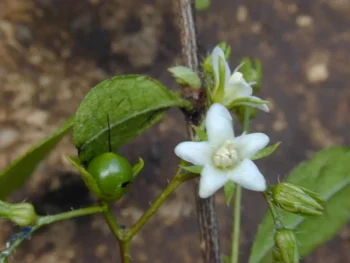
Scorpionbush: A Tropical Shrub for Warm Climate Gardens
If you’re looking for a compact evergreen shrub that brings a touch of tropical charm to your garden, you might have come across scorpionbush (Carmona retusa). This interesting little shrub has made its way from Southeast Asia to Hawaiian gardens, where it’s found a comfortable home. But is it right for your landscape? Let’s dive into what makes this plant tick and whether it deserves a spot in your garden.
Getting to Know Scorpionbush
Scorpionbush is a perennial shrub that typically stays relatively compact, usually growing less than 13-16 feet tall. Like most shrubs, it develops multiple stems from near the ground, creating a bushy appearance that works well in various garden settings. The plant produces small white to pale pink flowers followed by tiny dark berries, giving it year-round interest.
Where Does It Come From?
Originally native to Southeast Asia, particularly the Philippines and surrounding regions, scorpionbush has traveled far from home. In the United States, you’ll find it established in Hawaii, where it’s considered a non-native species that reproduces on its own in the wild.
- Species observed
- No observations
The Good, The Bad, and The Beautiful
So why might you want to grow scorpionbush? Here are some compelling reasons:
- Evergreen foliage provides year-round structure and color
- Compact size makes it perfect for smaller spaces
- Attractive small flowers that appeal to pollinators like bees
- Popular choice for bonsai enthusiasts
- Relatively low maintenance once established
However, there are some considerations to keep in mind. As a non-native species, it doesn’t provide the same ecological benefits as plants that evolved alongside local wildlife. While it’s not currently listed as invasive, any non-native plant has the potential to spread beyond intended boundaries.
Growing Conditions and Care
If you decide to give scorpionbush a try, here’s what it needs to thrive:
Climate: This tropical plant is only suitable for USDA hardiness zones 10-12, making it perfect for Hawaii, southern Florida, and similar warm climates.
Light: Scorpionbush adapts well to both full sun and partial shade, though it may flower more prolifically with adequate sunlight.
Soil: Well-draining soil is essential. This shrub doesn’t like to sit in waterlogged conditions, which aligns with its wetland status as an upland plant.
Water: Regular watering during dry periods, but allow soil to dry between waterings. Once established, it can handle some drought.
Planting and Maintenance Tips
Getting your scorpionbush established is fairly straightforward:
- Plant in spring when temperatures are warming up
- Space plants according to expected mature size to allow good air circulation
- Mulch around the base to retain moisture and suppress weeds
- Prune regularly to maintain desired shape and size
- Protect from cold temperatures and strong winds
Garden Design Ideas
Scorpionbush works well in several landscape situations:
- Foundation plantings around tropical-style homes
- Mixed shrub borders in warm climate gardens
- Container gardening for patios and courtyards
- Bonsai collections for enthusiasts
- Low hedges or border plants
Consider Native Alternatives
While scorpionbush can be an attractive addition to warm climate gardens, consider exploring native alternatives that provide similar aesthetic appeal while supporting local ecosystems. In Hawaii, native shrubs like ʻākia (Wikstroemia uva-ursi) or native hibiscus species can offer comparable beauty while benefiting local wildlife.
The Bottom Line
Scorpionbush can be a charming addition to tropical and subtropical gardens, offering evergreen structure, delicate flowers, and manageable size. While it’s not native to the United States, it’s not currently considered problematic either. If you choose to grow it, do so responsibly by preventing it from spreading to natural areas and consider pairing it with native plants to create a more ecologically beneficial landscape.
Whether you’re drawn to its potential as a bonsai specimen or its role as a compact garden shrub, scorpionbush can certainly earn its place in the right garden setting. Just remember to give it the warm, well-drained conditions it craves, and you’ll likely be rewarded with years of tropical charm.