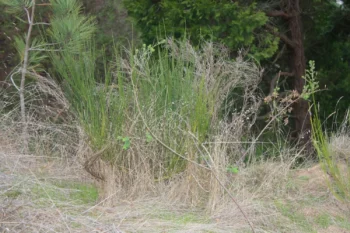
Scotch Broom: A Beautiful but Problematic Plant You Should Avoid
With its cheerful yellow flowers and ability to thrive in tough conditions, Scotch broom (Cytisus scoparius) might seem like the perfect low-maintenance addition to your garden. But before you fall for its springtime charm, there’s something important you need to know about this seemingly innocent shrub.
What is Scotch Broom?
Scotch broom is a perennial shrub that typically grows 4-7 feet tall with multiple stems arising from the ground. Originally from Europe (particularly Scotland, as the name suggests), this woody plant has made itself quite at home across North America – perhaps a little too much at home.
The plant produces bright yellow, pea-like flowers in spring that are undeniably eye-catching. Its green stems remain visible year-round, and it grows rapidly with a dense, erect growth habit. Sounds pretty appealing, right? Well, here’s where things get complicated.
The Problem with Scotch Broom
Here’s the hard truth: Scotch broom is considered invasive across much of North America. It’s been introduced and now reproduces spontaneously in the wild, persisting without any human help in Alaska, Canada, Hawaii, and the lower 48 states. In Maryland, it’s listed as a Tier 2 invasive species, and Wisconsin has gone so far as to prohibit it entirely.
This shrub spreads rapidly through prolific seed production – we’re talking about 57,000 seeds per pound! Those seeds spread quickly and germinate with high vigor, allowing Scotch broom to outcompete native plants and disrupt local ecosystems.
Where Scotch Broom Has Spread
Currently, Scotch broom can be found growing (often unwanted) across numerous states and provinces including Alabama, Alaska, California, British Columbia, Connecticut, Delaware, Georgia, Hawaii, Idaho, Kentucky, Maine, Maryland, Massachusetts, Michigan, Montana, New Hampshire, New Jersey, New York, North Carolina, Nova Scotia, Ohio, Oregon, Pennsylvania, Prince Edward Island, South Carolina, Tennessee, Utah, Virginia, Washington, and West Virginia.
- Species observed
- No observations
Why Gardeners Might Be Tempted
It’s easy to see why Scotch broom caught gardeners’ attention in the first place. This tough little shrub offers:
- Showy yellow flowers that bloom in spring
- High drought tolerance once established
- Ability to grow in poor, coarse soils where other plants struggle
- Rapid growth rate for quick results
- Low moisture requirements
- Cold tolerance down to -13°F
Growing Conditions (If You Encounter It)
While we don’t recommend planting Scotch broom, understanding its preferred conditions can help with identification and removal efforts. This adaptable plant thrives in:
- USDA hardiness zones 5-8
- Well-draining soils (coarse, medium, or fine textured)
- Full sun locations (shade intolerant)
- pH levels between 5.5-7.0
- Areas with 30-60 inches of annual precipitation
- Locations that experience at least 150 frost-free days
Better Native Alternatives
Instead of planting Scotch broom, consider these native alternatives that provide similar benefits without the ecological problems:
- Spicebush (Lindera benzoin): Yellow fall color and supports native wildlife
- Ninebark (Physocarpus opulifolius): Tough, drought-tolerant with attractive flowers
- Native azaleas (Rhododendron species): Beautiful spring blooms in various colors
- Serviceberry (Amelanchier species): Spring flowers, edible berries, great fall color
What to Do If You Have Scotch Broom
If you already have Scotch broom on your property, consider removing it before it spreads further. Small plants can be hand-pulled when the soil is moist, while larger specimens may require cutting and treating the stumps to prevent regrowth. Always dispose of plant material properly – don’t compost it or leave it where seeds might spread.
The Bottom Line
While Scotch broom’s bright yellow flowers and tough-as-nails attitude might seem appealing, its invasive nature makes it a poor choice for responsible gardeners. By choosing native alternatives instead, you’ll get similar aesthetic benefits while supporting local wildlife and protecting natural ecosystems. Your garden – and your local environment – will thank you for making the more thoughtful choice.