Scotch Broom: A Colorful but Controversial Garden Choice
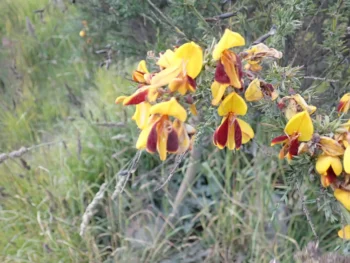
If you’ve ever driven through the Pacific Northwest in late spring, you’ve likely spotted the brilliant yellow blooms of Scotch broom (Cytisus scoparius var. andreanus) painting hillsides in cheerful color. This particular variety stands out from regular Scotch broom with its eye-catching two-toned flowers – bright yellow petals accented with reddish-brown or crimson wings that create quite the garden spectacle.
What Makes This Variety Special?
Cytisus scoparius var. andreanus is a perennial shrub that typically grows as a multi-stemmed woody plant, usually staying under 13-16 feet in height. What sets this variety apart is its stunning floral display – while regular Scotch broom produces solid yellow flowers, var. andreanus offers a delightful color combination that catches the eye from quite a distance.
Where Does It Grow?
Originally hailing from Western and Central Europe, this non-native plant has established itself in parts of the United States, particularly in California and Washington. As an introduced species, it reproduces on its own in the wild without human assistance and has shown a tendency to persist in these regions.
- Species observed
- No observations
The Garden Appeal
There’s no denying the visual impact of this shrub when it’s in full bloom. The flowers appear in abundance during spring, creating a spectacular display that attracts bees and other pollinators. In garden settings, it’s often used for:
- Slope stabilization and erosion control
- Mediterranean-style gardens
- Naturalized landscape areas
- Adding spring color to challenging sites
Growing Conditions and Care
One of the reasons Scotch broom has spread so successfully is its remarkable adaptability. This tough shrub thrives in USDA hardiness zones 6-9 and actually prefers poor, sandy soils that would challenge many other plants. Here’s what it needs to flourish:
- Full sun exposure
- Well-draining soil (even poor quality is fine)
- Minimal water once established – it’s quite drought tolerant
- Pruning after flowering to maintain shape
The low-maintenance nature of this plant makes it appealing to gardeners looking for something that can handle neglect, but this same hardiness is exactly what makes it problematic in natural areas.
A Word of Caution
While var. andreanus is undeniably beautiful, it’s important to understand that Scotch broom species are considered highly invasive in many western regions. They can quickly dominate natural areas, crowding out native plants and disrupting local ecosystems. Before planting, check with your local extension office or native plant society about regulations in your area.
Native Alternatives to Consider
If you’re drawn to the spring color and pollinator benefits of Scotch broom but want to make an environmentally responsible choice, consider these native alternatives:
- Native lupines for similar flower structure and pollinator appeal
- Regional native shrubs that provide spring blooms
- Native plants suited to your specific growing conditions
The Bottom Line
Cytisus scoparius var. andreanus offers undeniable beauty with its distinctive two-toned flowers and easy-care nature. However, given the invasive potential of Scotch broom species, gardeners should carefully consider whether this plant aligns with their environmental values. If you do choose to grow it, be prepared to manage it responsibly and prevent its spread beyond your garden boundaries. When in doubt, exploring native alternatives that provide similar benefits without the ecological concerns might be the wiser path for both your garden and your local ecosystem.