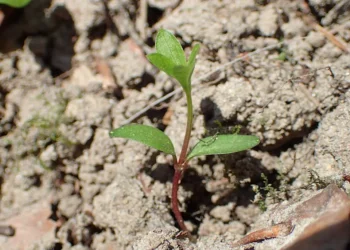
Scotch Mist: A Delicate European Perennial for Shade Gardens
If you’re looking for a delicate, low-growing perennial to fill those tricky shady spots in your garden, you might have stumbled across Scotch mist (Galium sylvaticum). This unassuming little plant brings a touch of European woodland charm to North American gardens, though it’s worth understanding what you’re getting into before adding it to your landscape.
What is Scotch Mist?
Scotch mist is a perennial forb—essentially a non-woody flowering plant that comes back year after year. Originally from the cool, mountainous regions of Europe, this plant has found its way into various parts of North America, where it’s established itself as a naturalized species. You’ll find it growing in Ontario and Quebec in Canada, as well as scattered throughout states like Connecticut, Maine, Massachusetts, Michigan, New York, Oregon, Washington, and Wisconsin.
- Species observed
- No observations
As a non-native species that reproduces on its own in the wild, Scotch mist sits in that interesting category of plants that aren’t originally from here but have made themselves at home without causing major ecological disruptions—at least not that we currently know of.
Appearance and Garden Appeal
Don’t let the name fool you—Scotch mist won’t leave you squinting through a haze! This charming plant produces clusters of tiny white flowers that create a delicate, almost ethereal effect in the garden. The flowers are complemented by whorled leaves that arrange themselves in neat circles around the stems, giving the plant a tidy, organized appearance.
The overall effect is subtle rather than showy—think of it as the garden equivalent of a soft whisper rather than a bold statement. It’s the kind of plant that rewards close observation and adds textural interest without overwhelming neighboring plants.
Growing Conditions and Care
If you’re thinking about growing Scotch mist, here’s what this European native prefers:
- Light: Partial to full shade—perfect for those spots where other plants struggle
- Soil: Moist, well-draining soil with good organic content
- Climate: Cool conditions; thrives in USDA hardiness zones 3-7
- Moisture: Consistent moisture without waterlogging
Once established, Scotch mist is refreshingly low-maintenance. It may self-seed in favorable conditions, so keep an eye on it if you prefer to control where it spreads. The plant appreciates the kind of cool, moist conditions you’d find in a natural woodland setting.
Garden Uses and Design Ideas
Scotch mist works beautifully as a ground cover in shade gardens and woodland settings. Its delicate texture makes it an excellent companion for bolder woodland plants like ferns, hostas, or native wildflowers. Consider using it in:
- Naturalistic shade gardens
- Woodland borders
- Areas where you want subtle texture without bright colors
- Cool, moist spots that challenge other plants
Wildlife and Pollinator Benefits
While Scotch mist does produce flowers that can attract small pollinators like flies and tiny bees, its wildlife value is relatively modest compared to native alternatives. The small white blooms provide some nectar, but they’re not a major wildlife magnet.
Should You Plant Scotch Mist?
Here’s the thing about Scotch mist: it’s not necessarily a problem plant, but it’s also not irreplaceable. If you already have it and it’s behaving well in your garden, there’s no urgent need to remove it. However, if you’re planning new plantings, you might want to consider native alternatives that provide similar aesthetic appeal while supporting local ecosystems more effectively.
Some native alternatives to consider include wild ginger (Asarum canadense), foamflower (Tiarella cordifolia), or various native Galium species like northern bedstraw (Galium boreale), depending on your region.
The Bottom Line
Scotch mist is a perfectly pleasant little plant that can serve a role in shade gardens, especially if you appreciate its subtle European woodland character. Just remember that every garden space is an opportunity to support native plants and local wildlife. Whether you choose to grow Scotch mist or opt for a native alternative, the most important thing is creating a garden that brings you joy while being mindful of your local ecosystem.
If you do decide to grow Scotch mist, you’ll find it an undemanding companion that asks for little more than a cool, shady spot and consistent moisture. Sometimes the most rewarding garden plants are the ones that simply do their job quietly and well.