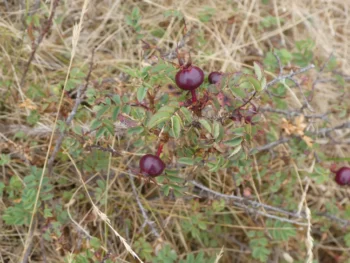
Scotch Rose: A Hardy Non-Native Rose for Challenging Garden Spots
Meet the Scotch rose (Rosa spinosissima), a tough-as-nails shrub that laughs in the face of harsh growing conditions. Also known as burnet rose or Scotchbriar, this compact rose might just be the answer to your most challenging garden spots – though it comes with a few caveats worth considering.
What Is Scotch Rose?
Rosa spinosissima is a low-growing perennial shrub that rarely exceeds 3 feet in height, typically staying under 1.5 feet tall. Don’t let its diminutive stature fool you – this little powerhouse is absolutely loaded with thorns, earning its species name spinosissima, which means most spiny. Originally from Europe and western Asia, particularly Scotland and northern England, this rose has made itself at home across many parts of North America.
Where You’ll Find It Growing
As a non-native species that reproduces spontaneously in the wild, Scotch rose has established populations across numerous states and provinces, including New Brunswick, Nova Scotia, Ontario, Prince Edward Island, Quebec, and many U.S. states from Maine to Virginia and as far west as Kansas and Wisconsin.
- Species observed
- No observations
The Appeal of Scotch Rose
What makes gardeners fall for this prickly character? Several compelling features:
- Delicate white or pink flowers (2-4 cm across) that bloom in late spring to early summer
- Small, dark purple to black rose hips that provide fall and winter interest
- Dense, thorny growth that creates an impenetrable natural barrier
- Exceptional hardiness in USDA zones 2-7
- Remarkable tolerance for poor soils, salt spray, and drought conditions
Garden Roles and Landscape Uses
Scotch rose excels in several landscape applications where other plants struggle:
- Coastal gardens where salt tolerance is essential
- Erosion control on slopes and difficult terrain
- Barrier plantings where you need something genuinely impenetrable
- Naturalized areas and informal cottage garden settings
- Problem spots with poor, sandy, or well-draining soils
Growing Conditions and Care
One of Scotch rose’s greatest strengths is its ability to thrive where other plants fail. Here’s what it needs (or rather, what it doesn’t need much of):
- Sunlight: Full sun preferred, but tolerates partial shade
- Soil: Thrives in poor, sandy, well-draining soils; actually performs better in lean conditions
- Water: Drought tolerant once established; avoid overwatering
- Climate: Extremely hardy in zones 2-7
Planting and Care Tips
Getting started with Scotch rose is refreshingly straightforward:
- Plant in spring or fall when temperatures are moderate
- Space plants 3-4 feet apart to allow for natural spreading
- Water regularly during the first growing season, then reduce watering
- Minimal fertilizing needed – too much nutrition can reduce flowering
- Prune in late winter only if shape control is needed
- Be aware that it may spread by underground runners
Wildlife and Pollinator Benefits
Despite being non-native, Scotch rose does provide some ecological value. Its flowers attract bees, butterflies, and other pollinators during the blooming period, and the rose hips can provide food for birds in fall and winter.
Should You Plant Scotch Rose?
The decision comes down to your specific garden needs and philosophy. Scotch rose is an excellent choice if you need a low-maintenance, extremely hardy shrub for challenging conditions like coastal areas, slopes prone to erosion, or spots where you need an effective barrier planting.
However, as a non-native species, consider exploring native rose alternatives first, such as Virginia rose (Rosa virginiana) or Carolina rose (Rosa carolina), which provide similar benefits while supporting local ecosystems more effectively.
A Word of Caution
Keep in mind that Scotch rose can spread by underground runners, so it may expand beyond where you originally planted it. This characteristic makes it excellent for naturalizing large areas but potentially problematic in formal garden settings where precise boundaries matter.
Whether you choose Scotch rose or a native alternative, you’ll be adding a resilient, beautiful shrub that can handle whatever Mother Nature throws its way. Sometimes the toughest plants make the most rewarding garden companions – thorns and all!