Scrambling Nightshade: A Plant to Avoid in Your Garden
If you’ve encountered scrambling nightshade (Solanum tampicense) in your gardening research, you might be wondering whether this sprawling plant belongs in your landscape. The short answer? It definitely doesn’t. This non-native species has earned itself some rather unwelcome titles that every gardener should know about before making any planting decisions.
What is Scrambling Nightshade?
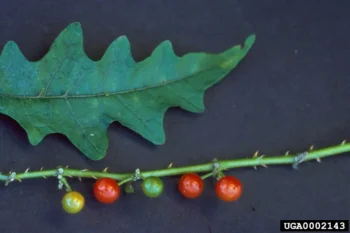
Scrambling nightshade is a perennial shrub that belongs to the nightshade family. True to its common name, this plant has a scrambling, somewhat climbing growth habit that can make it appear deceptively attractive to gardeners looking for ground cover or naturalistic plantings. The plant produces small white to pale purple flowers followed by dark berries, giving it a somewhat ornamental appearance that might catch your eye.
You might also see this plant listed under its synonym Solanum houstonii, but don’t let the different name fool you – it’s the same problematic species.
Where Does It Come From and Where Is It Found?
Originally native to tropical regions of the Americas, particularly Central America and northern South America, scrambling nightshade has unfortunately made its way into parts of the United States. Currently, it’s established in Florida, where it has found the warm climate much to its liking.
- Species observed
- No observations
Why You Should Avoid Planting Scrambling Nightshade
Here’s where things get serious: scrambling nightshade isn’t just a harmless non-native plant. It carries some pretty concerning designations that should make any responsible gardener think twice:
- Invasive Status: Alabama has placed it on their Watch List, meaning it’s being monitored for its potential to cause ecological harm
- Noxious Weed Status: Federally, it’s classified as a noxious weed, which means it’s been identified as particularly harmful to agriculture, ecosystems, or human health
These aren’t just bureaucratic labels – they reflect real concerns about how this plant behaves in the wild. As a non-native species that reproduces spontaneously without human help and tends to persist, scrambling nightshade can disrupt local ecosystems and outcompete native plants that wildlife depends on.
Growing Conditions (That You Should Know to Avoid)
Understanding where scrambling nightshade thrives can help you identify it and prevent its spread. This adaptable plant does well in USDA hardiness zones 9-11 and isn’t particularly picky about growing conditions. It can handle various soil types and grows in both full sun and partial shade, which unfortunately makes it quite successful at establishing itself in disturbed areas.
Better Alternatives for Your Garden
Instead of risking the ecological problems that come with scrambling nightshade, consider these native alternatives that can provide similar aesthetic benefits without the environmental concerns:
- Native groundcovers that offer sprawling growth habits
- Indigenous shrubs that provide berries for wildlife
- Local wildflowers that support native pollinators and beneficial insects
Your local native plant society or cooperative extension office can help you identify the best native alternatives for your specific region and growing conditions.
What to Do If You Find It
If you discover scrambling nightshade already growing on your property, the responsible thing to do is remove it carefully and dispose of it properly. Don’t compost it or leave plant material where it might spread further. Contact your local extension office or invasive species management program for guidance on proper removal and disposal methods.
Remember, every plant we choose for our gardens is a vote for the kind of environment we want to create. By selecting native plants over invasive species like scrambling nightshade, we’re supporting biodiversity, protecting local ecosystems, and creating gardens that truly belong in their landscapes.