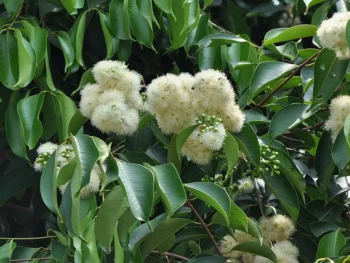
Sea Apple Tree: A Tropical Beauty That’s Not for Every Garden
If you’ve ever dreamed of having a tree that produces large, colorful fruits while providing excellent shade, the sea apple tree might have caught your attention. Known botanically as Syzygium grande, this impressive tropical tree offers both ornamental beauty and edible rewards. But before you rush to plant one, there are some important considerations about whether this non-native species belongs in your landscape.
What Exactly Is a Sea Apple Tree?
The sea apple tree is a perennial woody giant that can tower over your garden at heights greater than 13-16 feet, though it can grow much taller in ideal conditions. Originally from Southeast Asia, this evergreen beauty has made its way to various tropical locations, including Puerto Rico, where it now reproduces spontaneously in the wild.
You might also encounter this tree listed under its botanical synonym, Eugenia grandis, in older gardening references.
Where Does It Grow?
Currently in the United States, Syzygium grande has established itself in Puerto Rico. Its natural preference is for upland areas rather than wetlands – in the Caribbean region, it’s classified as an Obligate Upland species, meaning you’ll almost never find it growing in soggy conditions.
- Species observed
- No observations
The Appeal: Why Gardeners Love (and Question) This Tree
There’s no denying the sea apple’s ornamental charm. Here’s what makes it attractive:
- Large, glossy evergreen leaves that create dense, beautiful foliage
- Fragrant white, fluffy flowers that attract pollinators like bees
- Large, round fruits that ripen to attractive pinkish-red colors
- Edible fruits with a mild, sweet flavor
- Excellent shade tree for large spaces
- Year-round visual interest as an evergreen
The Reality Check: Is This Tree Right for Your Garden?
Before falling in love with the idea of your own sea apple tree, consider these factors:
Climate Requirements: This tree is only suitable for USDA hardiness zones 10-12, meaning it needs consistently warm, tropical to subtropical conditions. If you experience any frost or freezing temperatures, this isn’t the tree for you.
Space Needs: As a large tree species, the sea apple requires significant space to reach its full potential. It’s not suitable for small gardens or areas where overhead space is limited.
Non-Native Status: While not currently listed as invasive, the sea apple is not native to the continental United States. It has shown the ability to establish and reproduce on its own in Puerto Rico, which raises questions about its long-term ecological impact.
Growing Conditions and Care
If you live in the right climate zone and have decided to grow a sea apple tree, here’s what it needs to thrive:
- Light: Full sun to partial shade
- Soil: Well-draining soil that doesn’t become waterlogged
- Water: Consistent moisture, but not soggy conditions
- Temperature: Warm tropical climate year-round
- Space: Plenty of room for both height and spread
Planting and Care Tips
When planting your sea apple tree:
- Choose a location with adequate space for a large mature tree
- Ensure good drainage to prevent root rot
- Water regularly, especially during dry periods
- Apply balanced fertilizer occasionally during the growing season
- Prune as needed to maintain shape and remove dead or damaged branches
- Be patient – like most trees, it takes time to establish and begin fruiting
Consider Native Alternatives
If you’re drawn to the sea apple’s large fruits and shade-providing qualities, consider exploring native alternatives that offer similar benefits while supporting local ecosystems. Native fruit trees and shade trees are often better adapted to local conditions and provide crucial habitat and food sources for native wildlife.
Research native species in your area that might offer the aesthetic appeal and practical benefits you’re seeking without the ecological concerns that come with non-native plantings.
The Bottom Line
The sea apple tree is undeniably beautiful and productive, but it’s not a choice to make lightly. If you live in the right climate zone, have adequate space, and understand the implications of planting a non-native species, it can be a rewarding addition to your landscape. However, always consider native alternatives first, and if you do choose to plant a sea apple, be a responsible gardener by monitoring its behavior and preventing unwanted spread beyond your property.