Sea Clover: A Mediterranean Annual for Coastal Gardens
If you’ve ever wondered about that delicate clover with tiny white flowers growing wild along the coast, you might be looking at sea clover (Trifolium squamosum). This charming Mediterranean native has quietly made itself at home in select areas of the United States, bringing a touch of Old World coastal charm to American shores.
What Is Sea Clover?
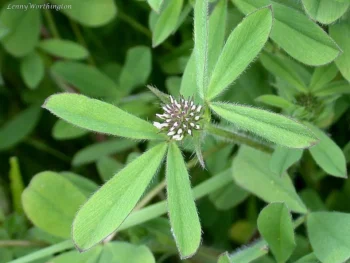
Sea clover is an annual forb – basically a soft-stemmed plant that completes its entire life cycle in one growing season. Like its more familiar lawn clover cousins, it features the classic three-leaflet clover leaves and produces small, rounded flower heads. The blooms are typically white to pale pink and appear in spring through early summer.
This plant goes by the botanical name Trifolium squamosum and has a few scientific aliases, including Trifolium maritinum and Trifolium maritimum. But don’t worry – you don’t need to memorize those tongue twisters to appreciate this little charmer!
Where Does Sea Clover Grow?
Originally from Mediterranean coastal regions, sea clover has established populations in four U.S. states: Florida, New Jersey, New York, and Pennsylvania. It’s considered a non-native species that has naturalized in these areas, meaning it reproduces on its own without human intervention.
- Species observed
- No observations
Should You Plant Sea Clover?
Here’s where things get interesting. Sea clover occupies a gray area in the gardening world – it’s not native to North America, but it’s also not currently listed as invasive in most areas. This makes it a proceed with caution plant.
Reasons You Might Want to Grow It:
- Excellent for coastal gardens where salt tolerance is crucial
- Thrives in sandy, well-drained soils where other plants struggle
- Attracts bees and other small pollinators
- Requires virtually no maintenance once established
- Self-seeds for natural, informal garden areas
Reasons to Consider Alternatives:
- Being non-native, it doesn’t support local ecosystems as effectively as native plants
- May spread beyond intended areas due to self-seeding nature
- Native clover species offer similar benefits with better ecological value
Growing Conditions and Care
If you decide to grow sea clover, you’ll find it refreshingly low-maintenance. This plant is adapted to coastal conditions and can handle what Mother Nature throws at it.
Ideal Growing Conditions:
- Sunlight: Full sun to partial shade
- Soil: Sandy, well-drained soils; tolerates poor soil conditions
- Water: Drought tolerant once established; avoid overwatering
- Salt tolerance: Excellent – perfect for seaside gardens
- Hardiness zones: 7-10
Planting and Care Tips:
- Sow seeds directly in spring after last frost
- Barely cover seeds with soil – they need light to germinate
- Water gently until established, then let nature take over
- Expect plants to self-seed for next year’s display
- No fertilizer needed – clovers actually fix nitrogen in the soil
Consider Native Alternatives
Before you set your heart on sea clover, consider these native clover species that offer similar benefits while supporting local wildlife:
- White clover (Trifolium repens): Native perennial with excellent pollinator value
- Red clover (Trifolium pratense): Showy pink-red flowers beloved by butterflies
- Crimson clover (Trifolium incarnatum): Annual with stunning red flower spikes
The Bottom Line
Sea clover can be a charming addition to coastal and naturalized gardens, especially where its salt tolerance and low-maintenance nature are valued. However, as responsible gardeners, we should always consider native alternatives first. If you do choose to grow sea clover, monitor it to ensure it doesn’t spread beyond your intended planting area.
Remember, the best garden plants are those that work with your local ecosystem rather than against it. Whether you choose sea clover or a native alternative, you’ll be creating habitat for pollinators and adding natural beauty to your landscape.