Sea Kale: A Bold European Coastal Plant for Your Garden
If you’re looking for a plant that makes a statement while serving double duty as both ornamental and edible, sea kale (Crambe maritima) might just catch your eye. This robust perennial brings a touch of European coastal charm to American gardens, though it comes with some considerations worth exploring.
What Exactly is Sea Kale?
Sea kale is a perennial forb – essentially a non-woody plant that returns year after year. Native to the Atlantic and Mediterranean coasts of Europe, this plant has adapted to harsh seaside conditions, making it surprisingly tough once established. Don’t let the name fool you; despite being called kale, it’s actually more closely related to cabbage and belongs to the mustard family.
Where You’ll Find Sea Kale in the US
As a non-native species, sea kale has naturalized in parts of California and Oregon, where it reproduces on its own in the wild. It thrives in the Western Mountains, Valleys, and Coast region, where it’s considered facultative – meaning it can handle both wetland and non-wetland conditions.
- Species observed
- No observations
Why Gardeners Love (and Sometimes Question) Sea Kale
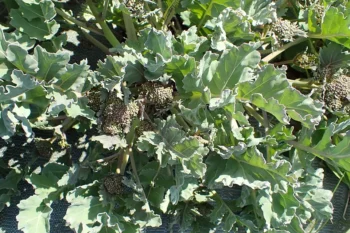
Sea kale brings some serious visual drama to the garden. Picture this: thick, wavy blue-green leaves that look almost sculptural, topped with clusters of fragrant white flowers in late spring. The plant can reach 2-3 feet tall and wide, creating an architectural presence that’s hard to ignore.
Here’s what makes sea kale appealing:
- Striking ornamental value with bold, textured foliage
- Edible young leaves and flower buds (blanched stems are considered a delicacy)
- Excellent salt tolerance for coastal gardens
- Attracts bees and other pollinators with its fragrant flowers
- Drought-tolerant once established
However, since it’s not native to North America, some gardeners prefer to choose indigenous alternatives that better support local ecosystems.
Growing Conditions and Care
Sea kale is surprisingly low-maintenance once you understand its needs. This plant thrives in USDA hardiness zones 4-8, making it suitable for much of the temperate United States.
Ideal growing conditions include:
- Full sun exposure
- Well-draining, sandy soil (it despises waterlogged conditions)
- Salt tolerance makes it perfect for coastal areas
- Can handle both wetland and dry conditions
Planting and Care Tips
Getting sea kale established requires a bit of patience, but the payoff is worth it. The plant develops a deep taproot, which explains both its drought tolerance and its dislike of transplanting.
Key care considerations:
- Plant in permanent location – the deep taproot makes moving difficult
- Provide excellent drainage to prevent root rot
- Water regularly during first year, then reduce as plant establishes
- Mulch around plants to retain moisture and suppress weeds
- Harvest young leaves in spring for best flavor
Garden Design and Landscaping Uses
Sea kale works beautifully as a specimen plant where its bold form can be appreciated. It’s particularly stunning in coastal gardens, Mediterranean-style landscapes, and kitchen gardens where form meets function. The plant’s architectural qualities make it an excellent choice for modern garden designs that emphasize structure and texture.
Consider using sea kale in:
- Coastal or seaside gardens
- Rock gardens with good drainage
- Edible landscapes
- Mixed borders for textural contrast
Supporting Pollinators and Wildlife
While sea kale isn’t native, its spring flowers do provide nectar for bees and other pollinators during an important time of year. The fragrant white flower clusters are particularly attractive to beneficial insects, adding some ecological value to your garden.
Native Alternatives to Consider
If you’re committed to supporting native ecosystems, consider these alternatives that offer similar bold foliage or coastal adaptability:
- Wild ginger (Asarum canadense) for textural leaves
- Sea rocket (Cakile maritima) for coastal conditions
- Native mustard family plants like watercress
The Bottom Line on Sea Kale
Sea kale offers gardeners a unique combination of ornamental beauty and edible potential. While it’s not native to North America, it’s not considered invasive either, making it a reasonable choice for gardeners who appreciate its distinctive qualities. Just remember that once planted, this deep-rooted character is likely there to stay – so choose your spot wisely!
Whether you’re drawn to its architectural form, coastal toughness, or culinary potential, sea kale can be a rewarding addition to the right garden setting.