Seaside Barley: What Every Gardener Should Know About This Coastal Grass
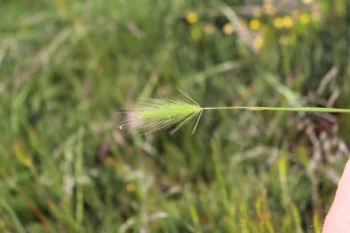
If you’ve ever walked along a coastal path or disturbed area and noticed small, barley-like grass heads swaying in the breeze, you’ve likely encountered seaside barley (Hordeum marinum). This unassuming annual grass has quietly made itself at home across much of North America, though it’s not exactly what you’d call a garden darling.
The Basics: What Is Seaside Barley?
Seaside barley is a small annual grass that belongs to the same family as lawn grasses and cereal crops. True to its common name, this hardy little plant originally hails from coastal regions of the Mediterranean, Europe, and North Africa. It’s perfectly adapted to tough conditions – think salty air, poor soils, and the kind of spots where more finicky plants throw in the trowel.
As a non-native species, seaside barley has established itself quite comfortably across North America, reproducing and persisting without any help from gardeners. It’s one of those plants that clearly didn’t read the memo about staying put in its native range.
Where You’ll Find It
Seaside barley has spread its wings (or should we say seeds?) across a impressive range of states and provinces. You can find it growing in British Columbia, Arizona, California, Idaho, Illinois, Massachusetts, Montana, Nevada, New Jersey, Ohio, Oklahoma, Oregon, Pennsylvania, Utah, and Washington. That’s quite the continental tour for a little Mediterranean grass!
- Species observed
- No observations
The Garden Reality Check
Here’s the thing about seaside barley – it’s not really a plant you’d intentionally invite into your garden. While it’s not aggressively invasive, it’s also not particularly ornamental or beneficial to local ecosystems. Think of it as that acquaintance who’s not terrible company but probably wouldn’t be your first choice for a dinner party.
This grass typically grows between 6 to 24 inches tall and produces those characteristic barley-like seed heads that give it its name. It’s wind-pollinated, so it doesn’t offer much in the way of pollinator support – a key consideration for today’s wildlife-conscious gardeners.
Growing Conditions and Adaptability
If seaside barley does pop up in your garden (and it might, whether you invite it or not), you’ll quickly discover just how adaptable this little survivor can be. It handles:
- Salt exposure with remarkable ease
- Drought conditions like a champ
- Poor, disturbed soils that would challenge many natives
- A wide range of moisture conditions, from relatively wet areas to dry uplands
The plant’s wetland status varies by region – it can be equally at home in wetlands and dry areas in the western regions, while it tends to prefer drier spots in eastern areas. This flexibility is part of what makes it such a successful colonizer.
Better Alternatives for Your Garden
Instead of working with seaside barley, consider these native grass alternatives that offer real benefits to local wildlife and ecosystems:
- Native bunch grasses appropriate for your region
- Local sedges that provide habitat and food for birds
- Indigenous prairie grasses that support pollinators and soil health
- Native coastal grasses if you’re in a seaside location
These alternatives will give you the ornamental grass look you might want while supporting the local ecosystem your garden is part of.
The Bottom Line
Seaside barley falls into that category of plants that aren’t villains but aren’t heroes either. While it’s not causing ecological havoc, it’s also not contributing much to the native plant communities that local wildlife depends on. If it shows up in your garden, you can leave it be without guilt, but there’s no compelling reason to seek it out at the nursery.
For gardeners interested in grasses that truly earn their keep, focusing on native species will give you more bang for your buck – and more benefits for the birds, bees, and butterflies that call your neighborhood home.