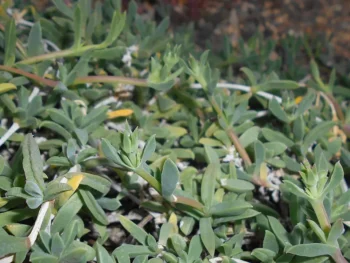
Seaside Delosperma: A Lesser-Known Ice Plant for California Gardens
If you’re exploring succulent options for your California garden, you might come across seaside delosperma (Delosperma litorale), a member of the ice plant family that’s quietly making its presence known in the Golden State. While not as famous as its flashy cousins, this perennial succulent has some interesting characteristics worth understanding before you decide whether it belongs in your landscape.
What Is Seaside Delosperma?
Seaside delosperma is a non-native perennial that falls into the category of forb herbs – essentially, it’s a vascular plant that stays relatively low to the ground without developing significant woody tissue. Think of it as a succulent groundcover rather than a shrub or tree. This plant has established itself in California, where it reproduces naturally without human intervention and has proven it can persist in the wild.
Where You’ll Find It
Currently, seaside delosperma has been documented growing in California, where it has adapted to local conditions and established reproducing populations. As a non-native species that has successfully naturalized, it demonstrates the adaptability that many gardeners find appealing in drought-tolerant plants.
- Species observed
- No observations
Growing Conditions and Garden Suitability
Based on its wetland status classification, seaside delosperma typically thrives in non-wetland conditions, though it can tolerate some moisture. This makes it a facultative upland plant in the Arid West region, meaning it’s most at home in drier conditions but won’t necessarily struggle if it occasionally encounters more water than expected.
As with most ice plants, you can expect seaside delosperma to prefer:
- Well-draining soil conditions
- Full sun exposure
- Minimal water requirements once established
- Protection from excessive moisture
Should You Plant Seaside Delosperma?
Here’s where things get a bit tricky. While seaside delosperma isn’t currently listed as invasive or noxious, it is a non-native plant that has already proven it can establish and spread without human help. This raises questions about its long-term impact on local ecosystems.
If you’re drawn to the ice plant family for your garden, you might want to consider exploring California’s amazing native succulent options instead. The state is home to incredible native plants like dudleya species, various native sedums, and other drought-tolerant beauties that provide the same low-water benefits while supporting local wildlife and maintaining ecological balance.
The Bottom Line
Seaside delosperma represents an interesting case study in plant adaptation and naturalization. While it may serve as a functional groundcover in appropriate settings, gardeners committed to supporting local ecosystems might find more satisfaction in exploring California’s rich palette of native drought-tolerant plants.
If you do choose to grow seaside delosperma, monitor it carefully to ensure it doesn’t spread beyond your intended planting area, and always prioritize native alternatives when possible. Your local wildlife – and your local ecosystem – will thank you for the consideration.